Controlled Articular Rotations
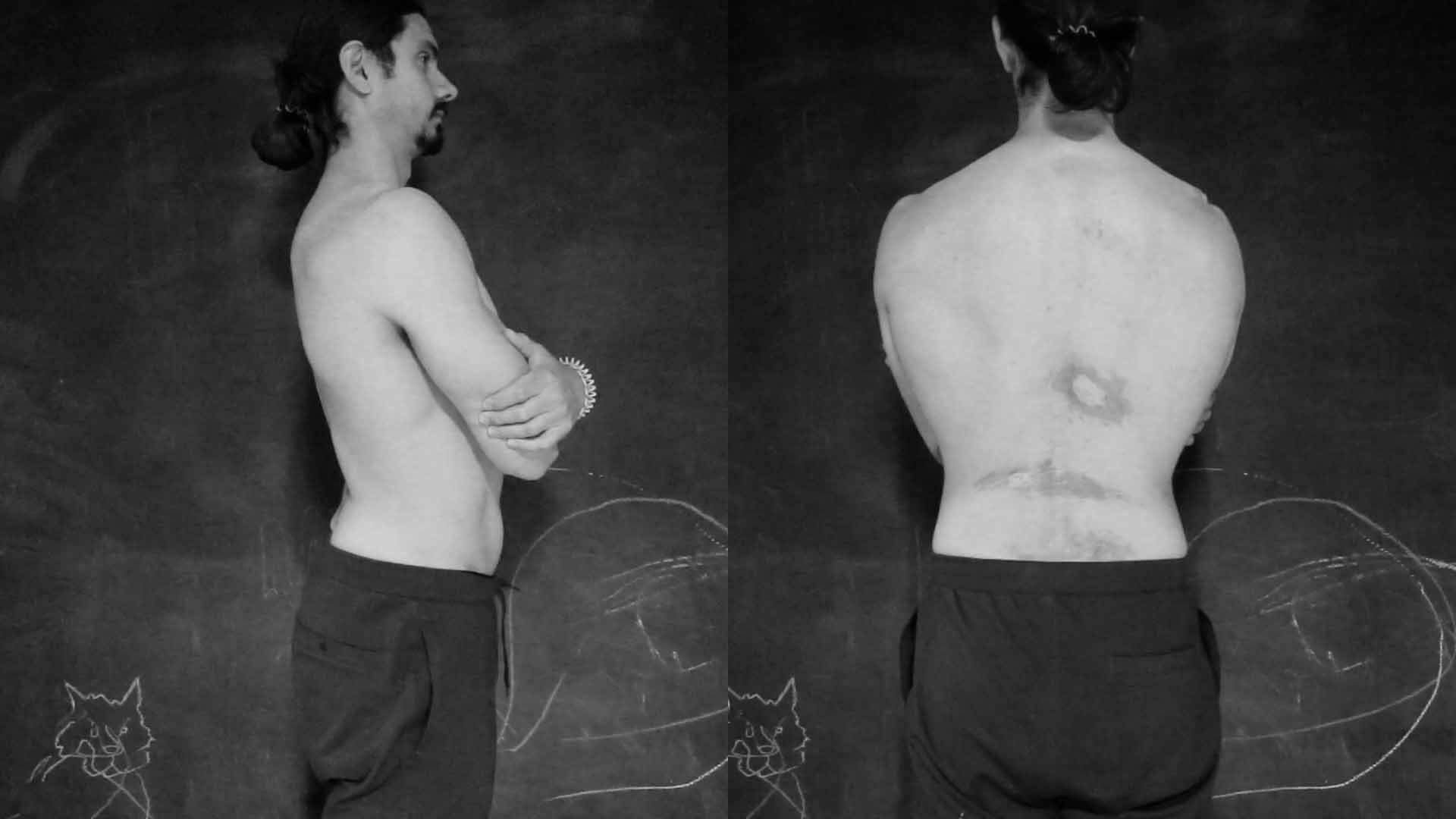
Neutral starting point: elongate through your spine, slight concave curve.
Countering compensations: watch the hips and the thoracic spine.
Basic functions:
- Flexion: curving forward.
- Extension: opening backward.
- Lateral flexion (side bend): hips shifting.
Special concerns:
When mobilizing the lumbar spine, you have to remember your spine is more than one joint. Your lumbar spine consists of five vertebrae. The connection between each of these bones is a joint. In other words, your lumbar spine is more like a string of pearls, as opposed to a plank of wood.
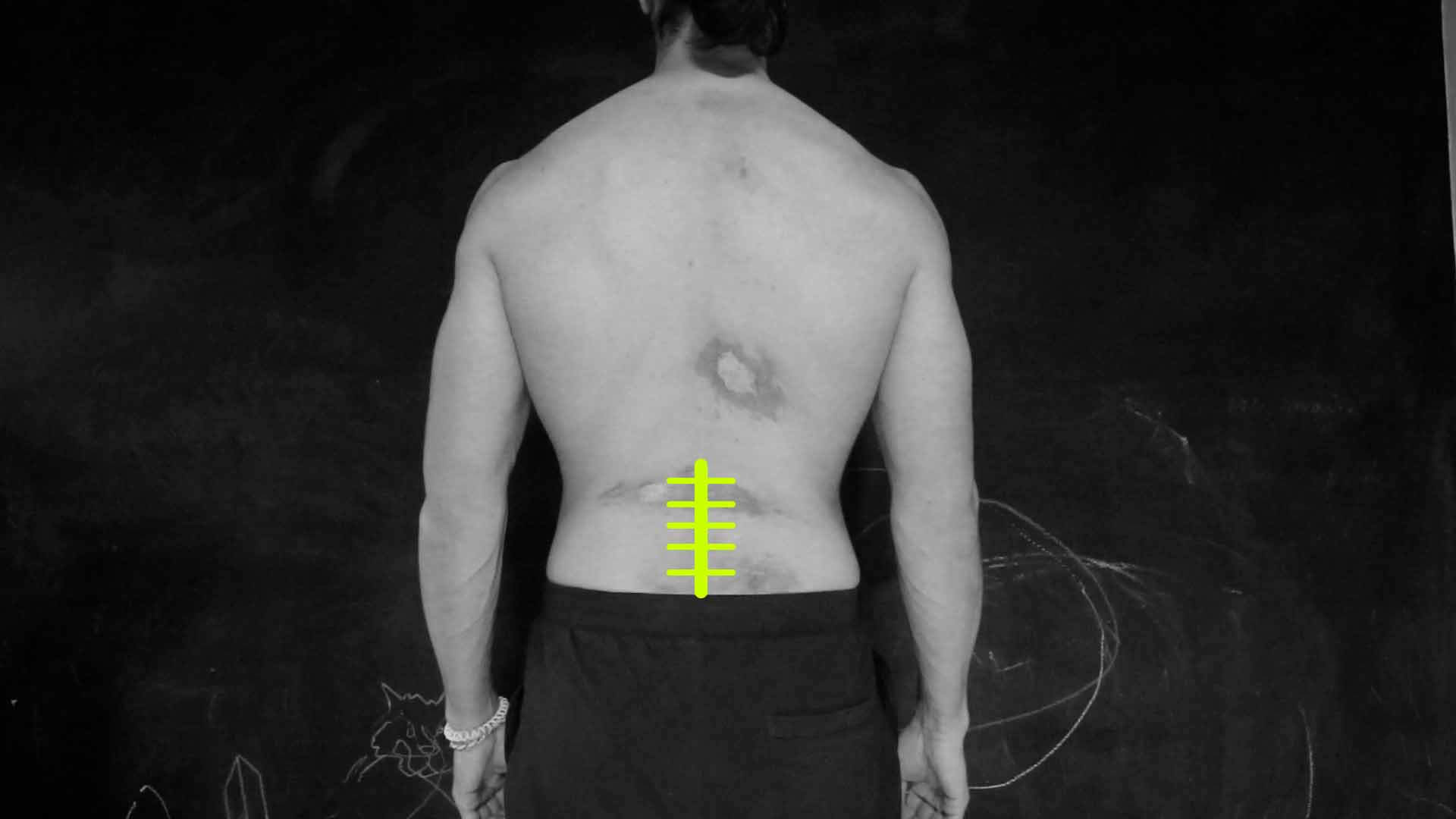
When you’re doing mobilizations that involve flexion, extension, and side bending, you want to do your best to segment your spinal movement. In other words, you want to move each vertebra independently, preserving the shape of the chain otherwise.
Flexion
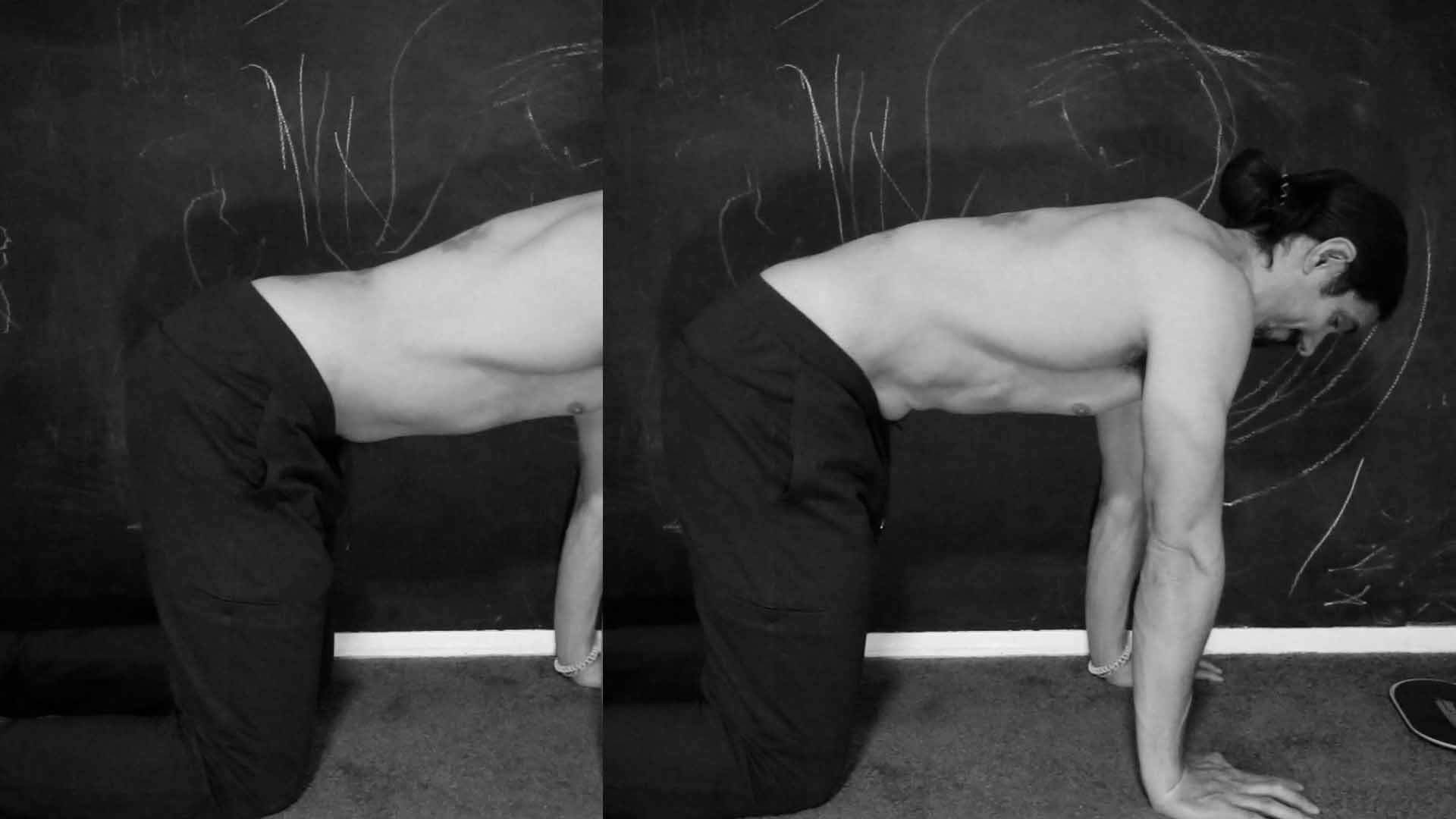
Flexion is curving your thoracic spine forward. For better mobilization, curl each vertebra individually — one at a time.
Start with your first lumbar vertebra. Think about spiraling it upon itself, forwards, as if it were a doorknob you were twisting. As you do this, minimize movement down the chain. Twist the top doorknob, keep every other doorknob in its place. Once you reach the first vertebra’s end range, move to the second… twist… max out your range of motion… third… twist… all the way down the chain.
Return to neutral, by reversing the movement. Start at the base of your lumbar spine. Spin the bottom vertebra back to neutral. Try to keep the shape of the chain preserved otherwise. You’re working from the bottom to the top, so the top of the chain shouldn’t be affected by your initial movements. Continue up the chain, returning each vertebra to neutral one by one until you reach the first vertebra.
Notes:
Watch for shoulder-blade protraction and thoracic flexion.
Extension
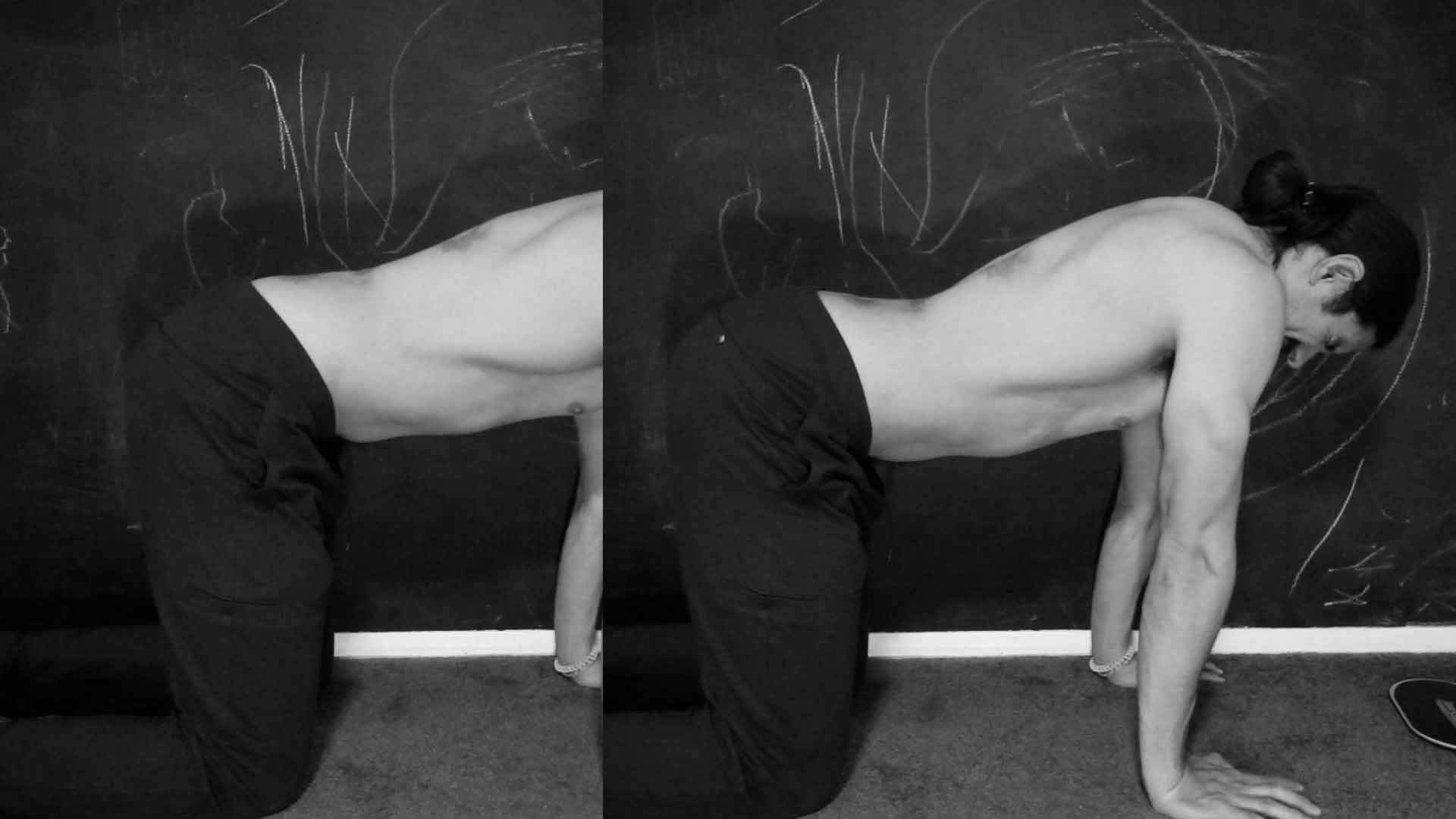
Extension is curling your thoracic spine backward. Approach extension the same way you approached flexion, just in the opposite direction: Curl each vertebra up and backward individually — one at a time.
Start with your first lumbar vertebra. Think about spiraling it upon itself, backward, as if it were a doorknob you were twisting. As you do this, minimize movement down the chain. Twist the top doorknob, keep every other doorknob in its place. Once you reach the first vertebra’s end range, move to the second… twist… max out your range of motion… third… twist… all the way down the chain.
When your lumbar spine is fully extended, your back muscles should be contracted. Pause for a second. Return to neutral, by reversing the movement. Start at the base of your lumbar spine. Spin the bottom vertebra back to neutral. Try to keep the shape of the chain preserved otherwise. You’re working from the bottom to the top, so the top of the chain shouldn’t be affected by your initial movements. Continue up the chain, returning each vertebra to neutral one by one until you reach the first vertebra.
Notes:
Watch for shoulder-blade retraction and thoracic extension.
Side bending
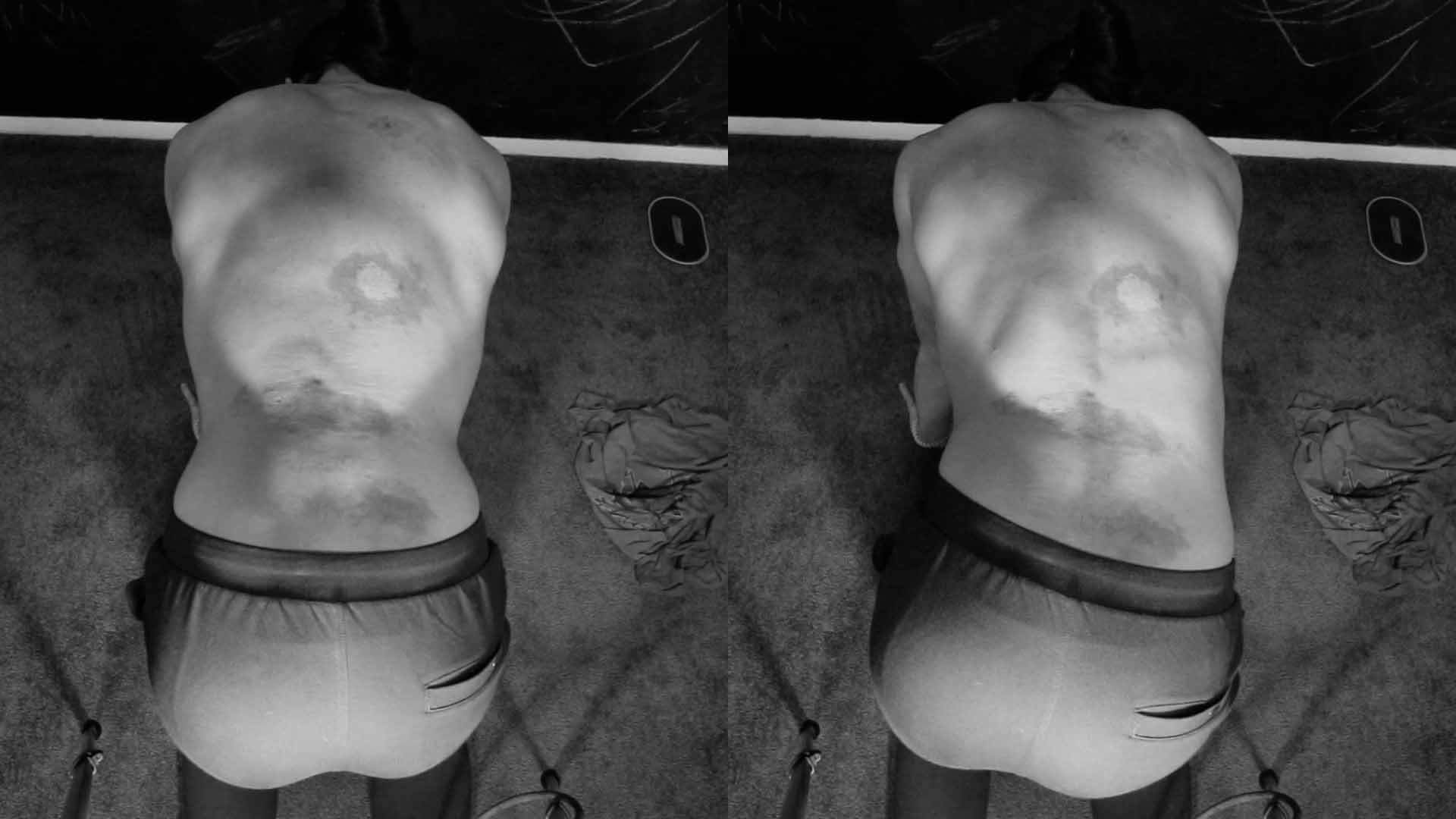
Side bending is moving your hips up and down. Approach side bending the same way you approached flexion and extension: Curl each vertebra individually — one at a time.
Start with your first lumbar vertebra. Think about spiraling it upon itself, to the side, as if it were a doorknob you were twisting. As you do this, minimize movement down the chain. Twist the top doorknob, keep every other doorknob in its place.
Once you reach the first vertebra’s end range, move to the second… twist… max out your range of motion… third… twist… all the way down the chain. When your lumbar spine is fully bent, the muscles on the side of the dropped shoulder should be contracted, the opposite side should feel a stretch. Pause for a second.
Return to neutral, by reversing the movement. Start at the base of your lumbar spine. Spin the bottom vertebra back to neutral. Try to keep the shape of the chain preserved otherwise. You’re working from the bottom to the top, so the top of the chain shouldn’t be affected by your initial movements. Continue up the chain, returning each vertebra to neutral one by one until you reach the first vertebra.
Repeat in the opposite direction.
Notes:
Keep your thoracic spine solid, don’t let your ribcage poke out.
3-D ROTATION
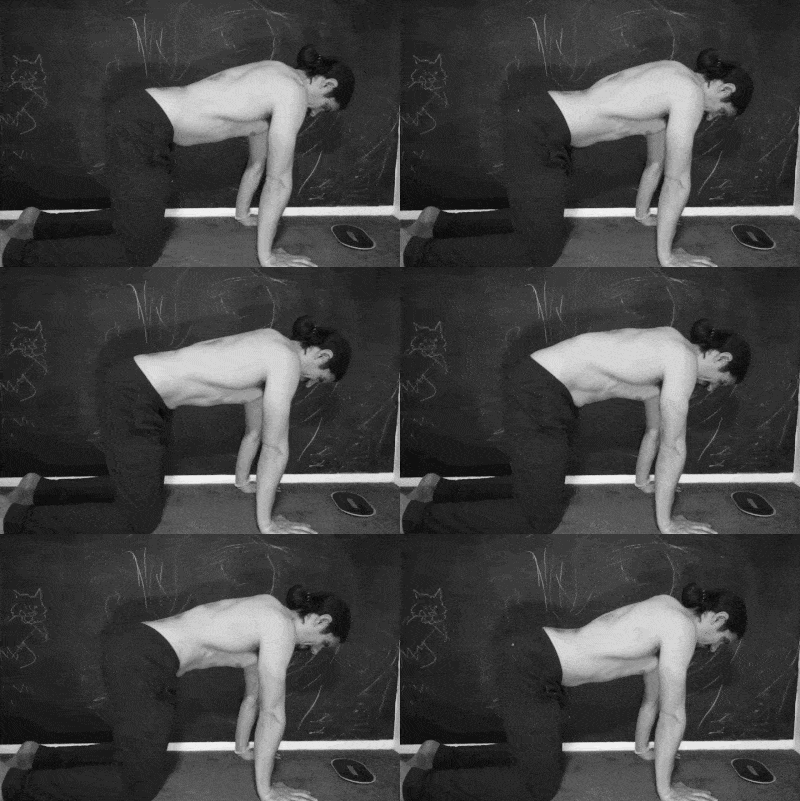
The 3-D rotation is a combination of all of the 2-D mobilizations.
First, assume neutral. For this rotation, I’m in a quadruped position. I find quadruped positions to be the best positions for lumbar mobilizations.
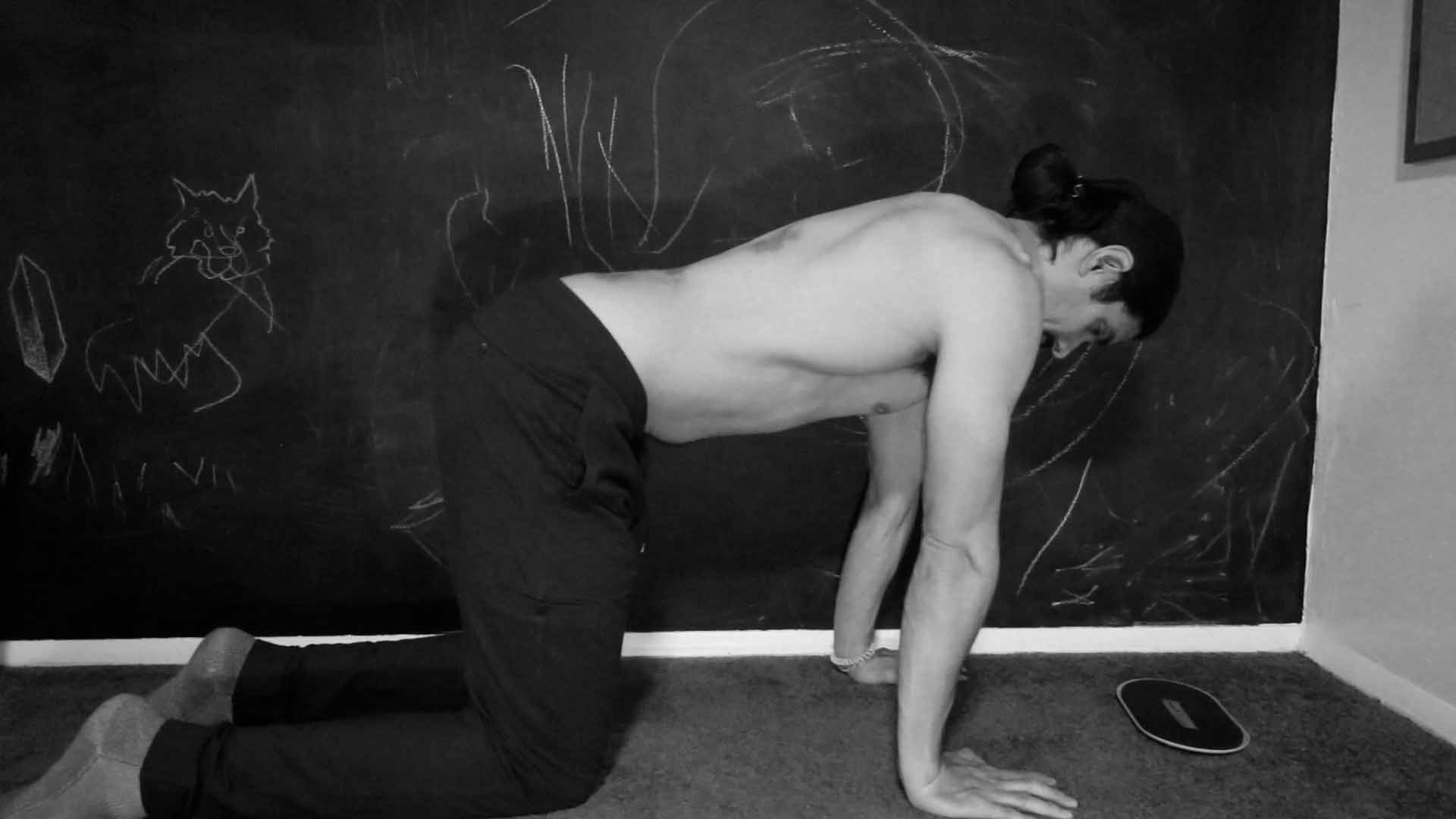
Start with extension and your bottommost lumbar vertebra. Spiral each vertebra, one at a time. Work your way up towards your neck, but stop at your thoracic spine. Your thoracic spine shouldn’t move much during this rotation.
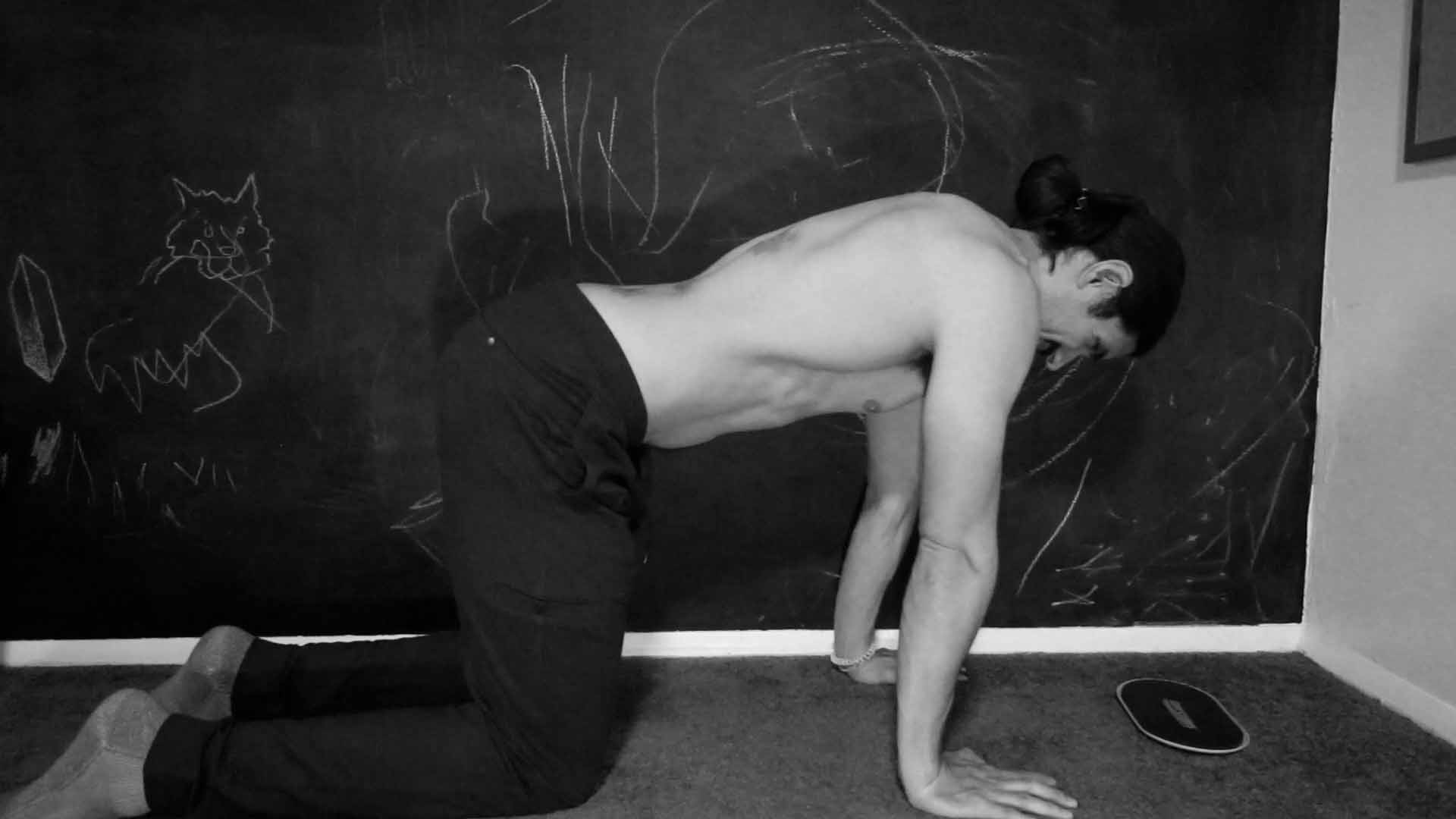
Once you finish extension, side bend. Starting with the bottommost vertebra, spiral your hip up towards your shoulder.
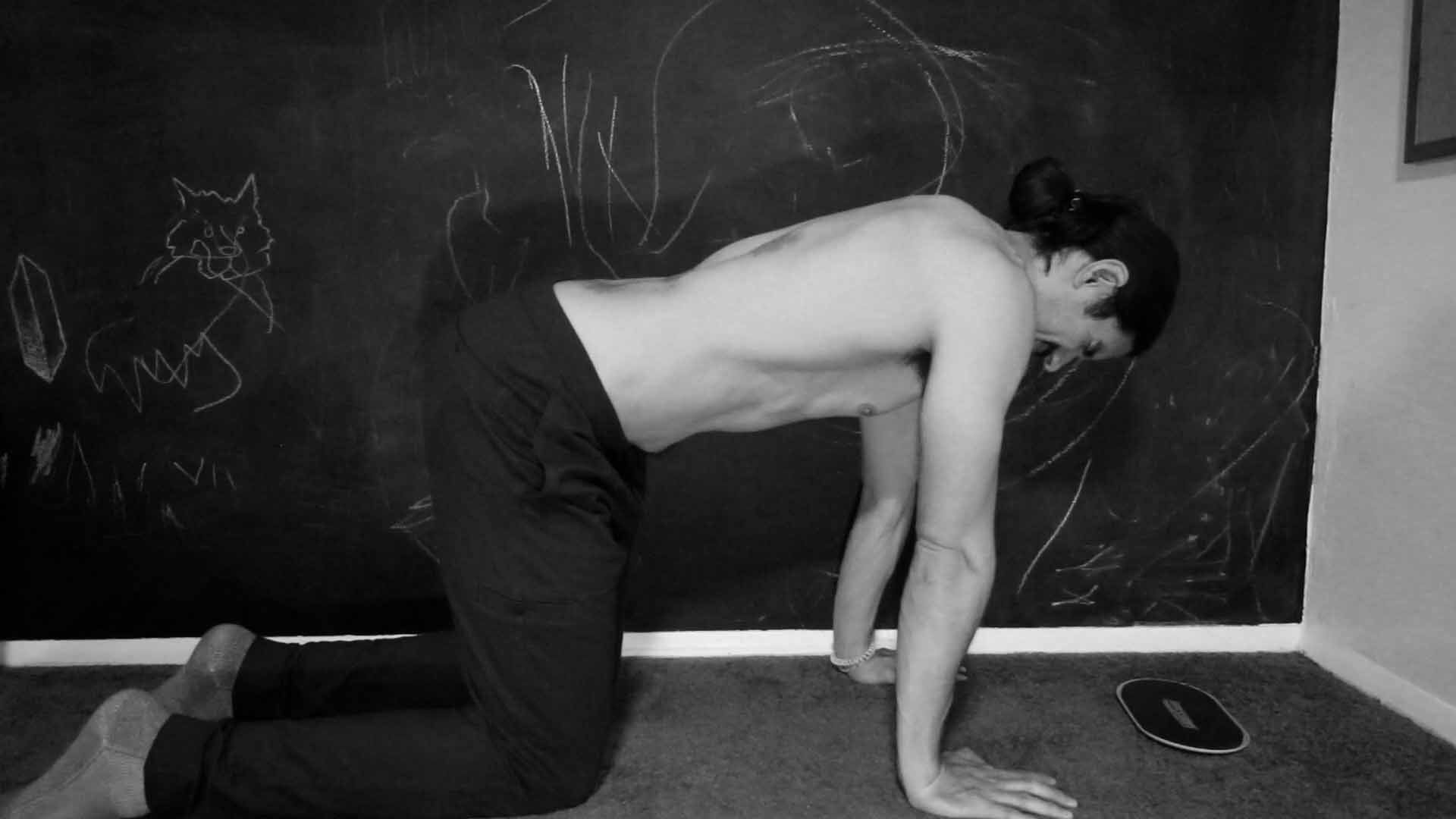
Once you finish side bending, flex. Starting with the bottom most vertebra, curl your belly button into your chest. Keep the side bend in tact.
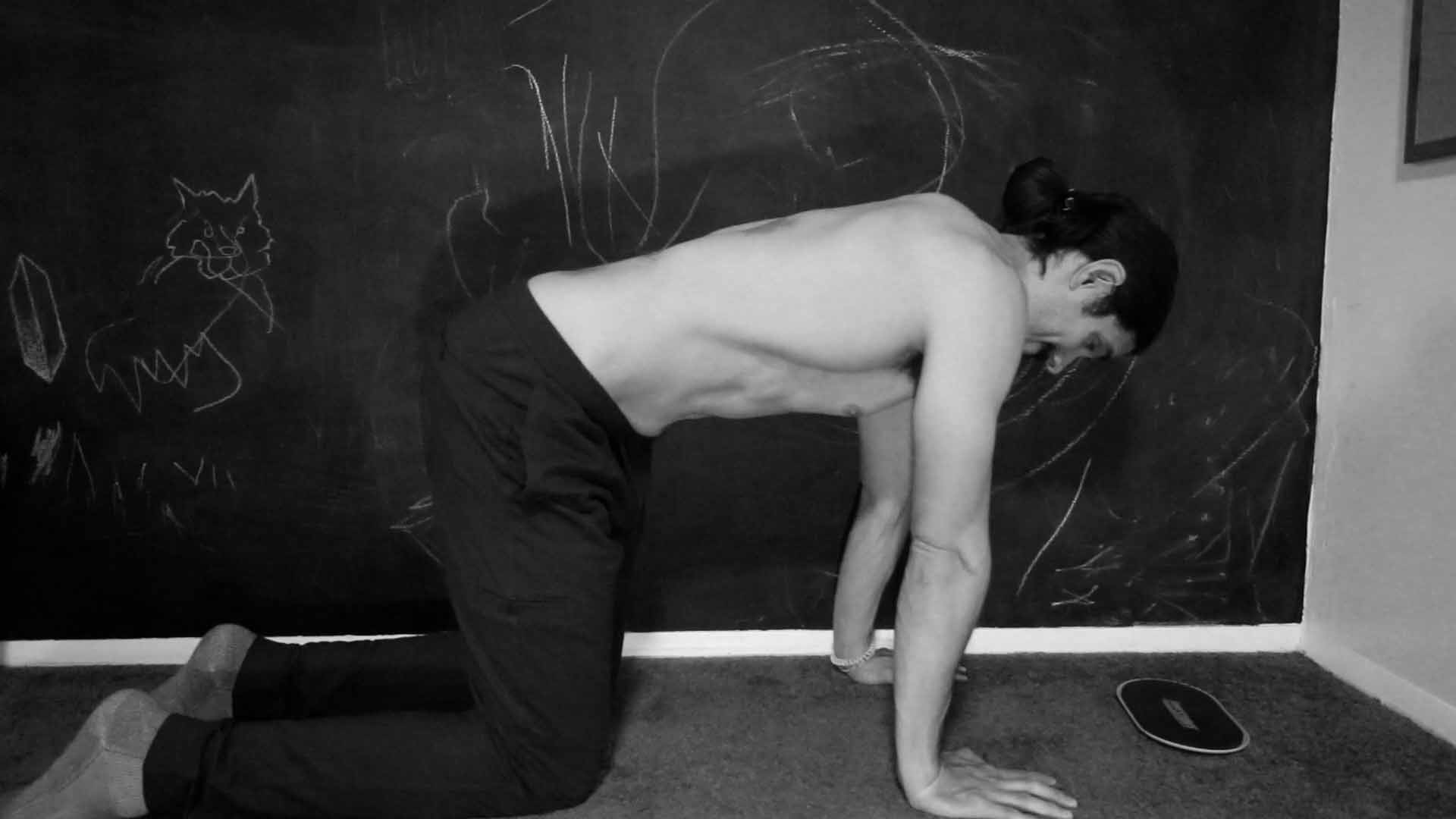
Once you finish flexion, swing to neutral and then side bend towards the other side. Starting with the bottommost vertebra, spiral your hip up towards your shoulder. Keep your lumbar spine flexed.
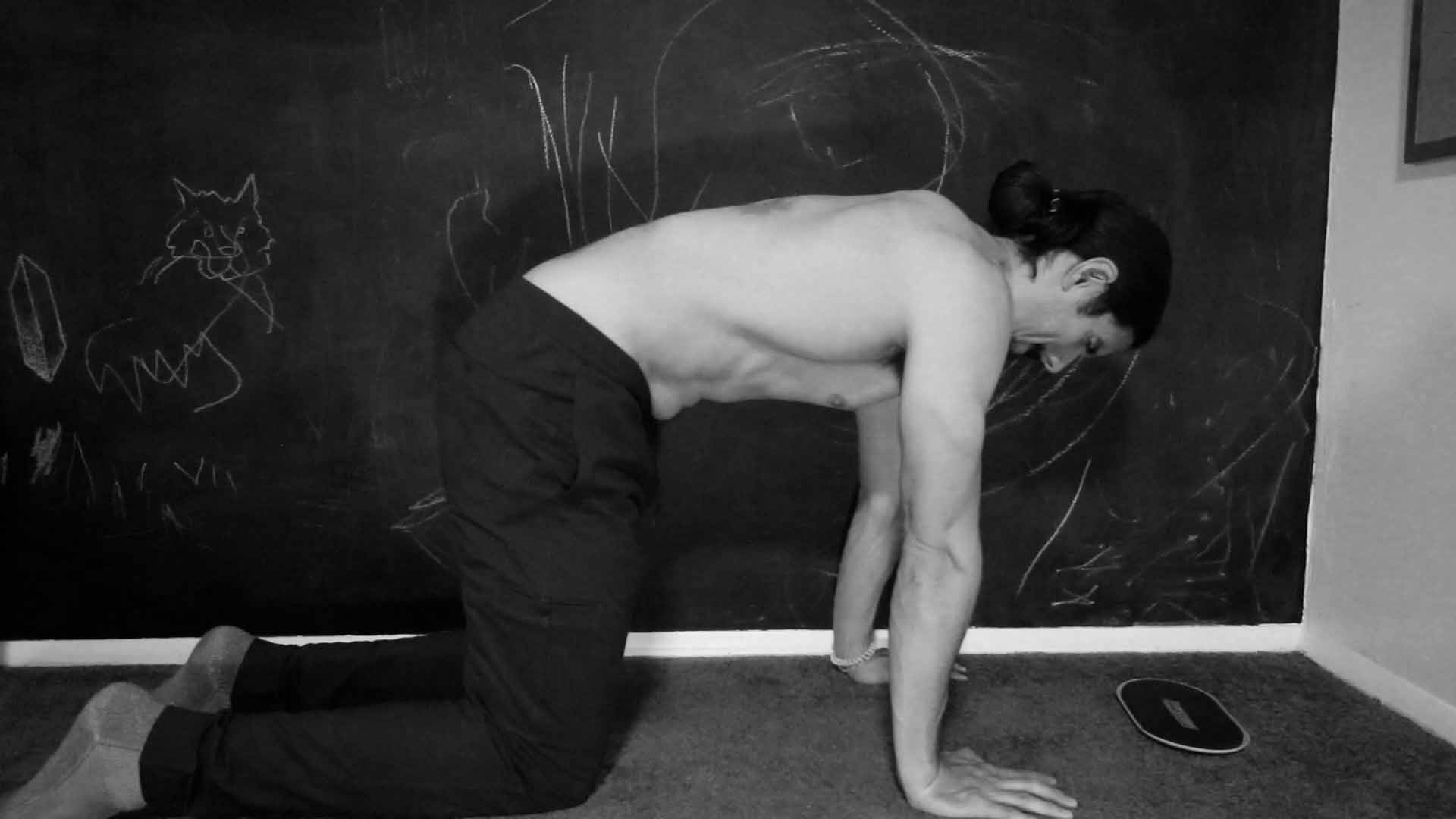
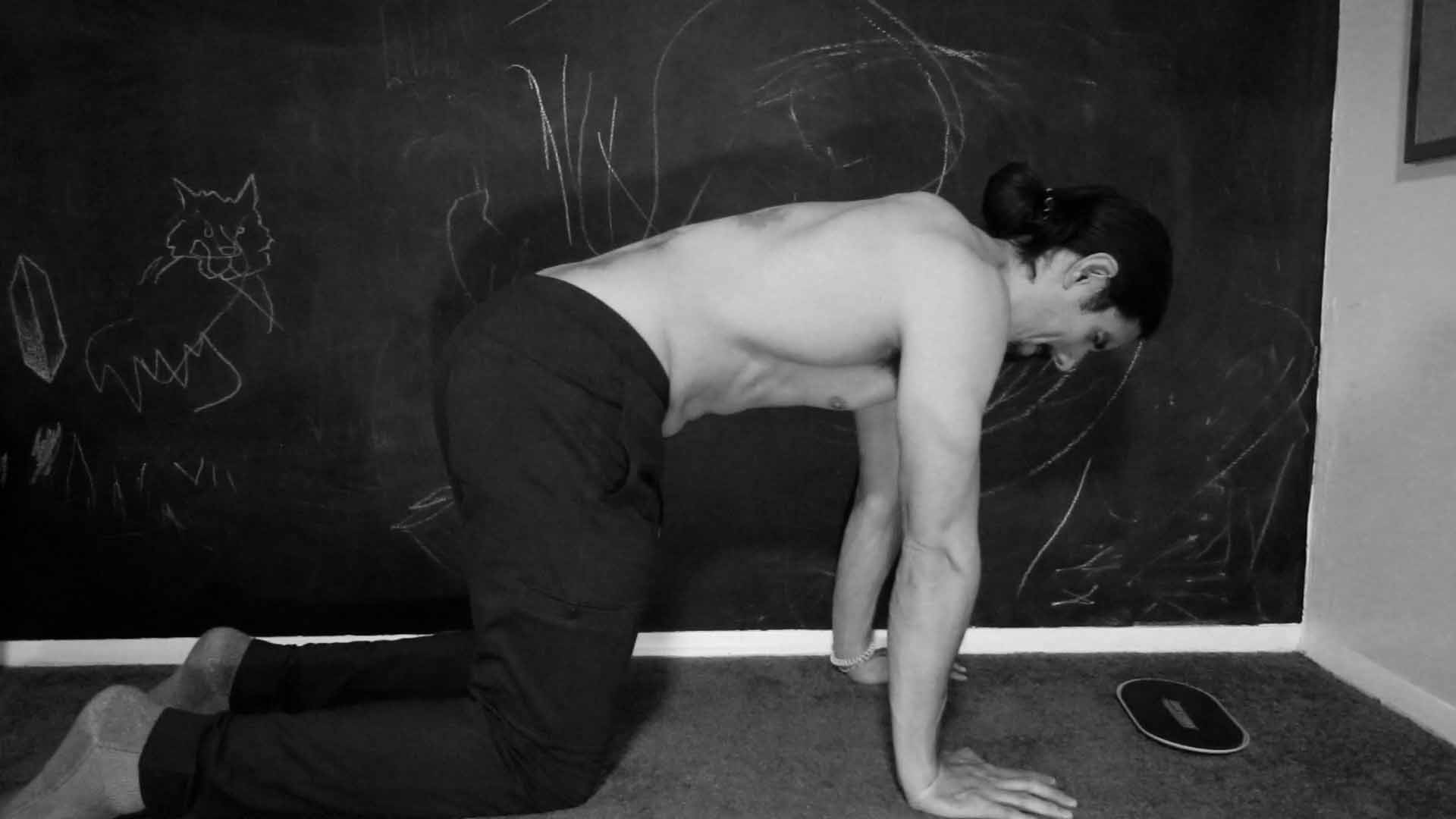
Once you side bending, extend. Spiral each vertebra, keeping your lumbar spine extended.
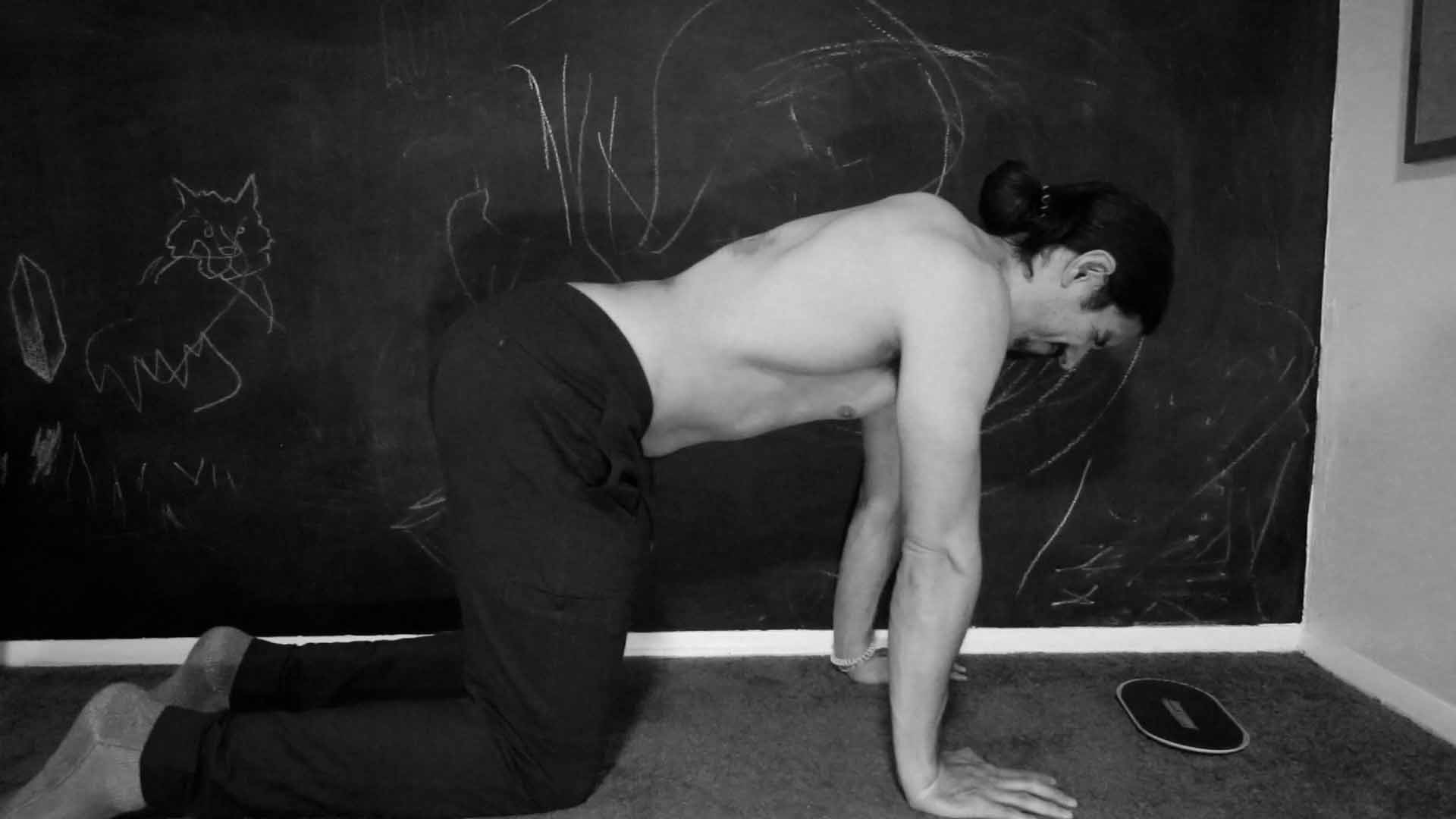
Once you finish side bending, bring your hips back to square with your lumbar spine extended.
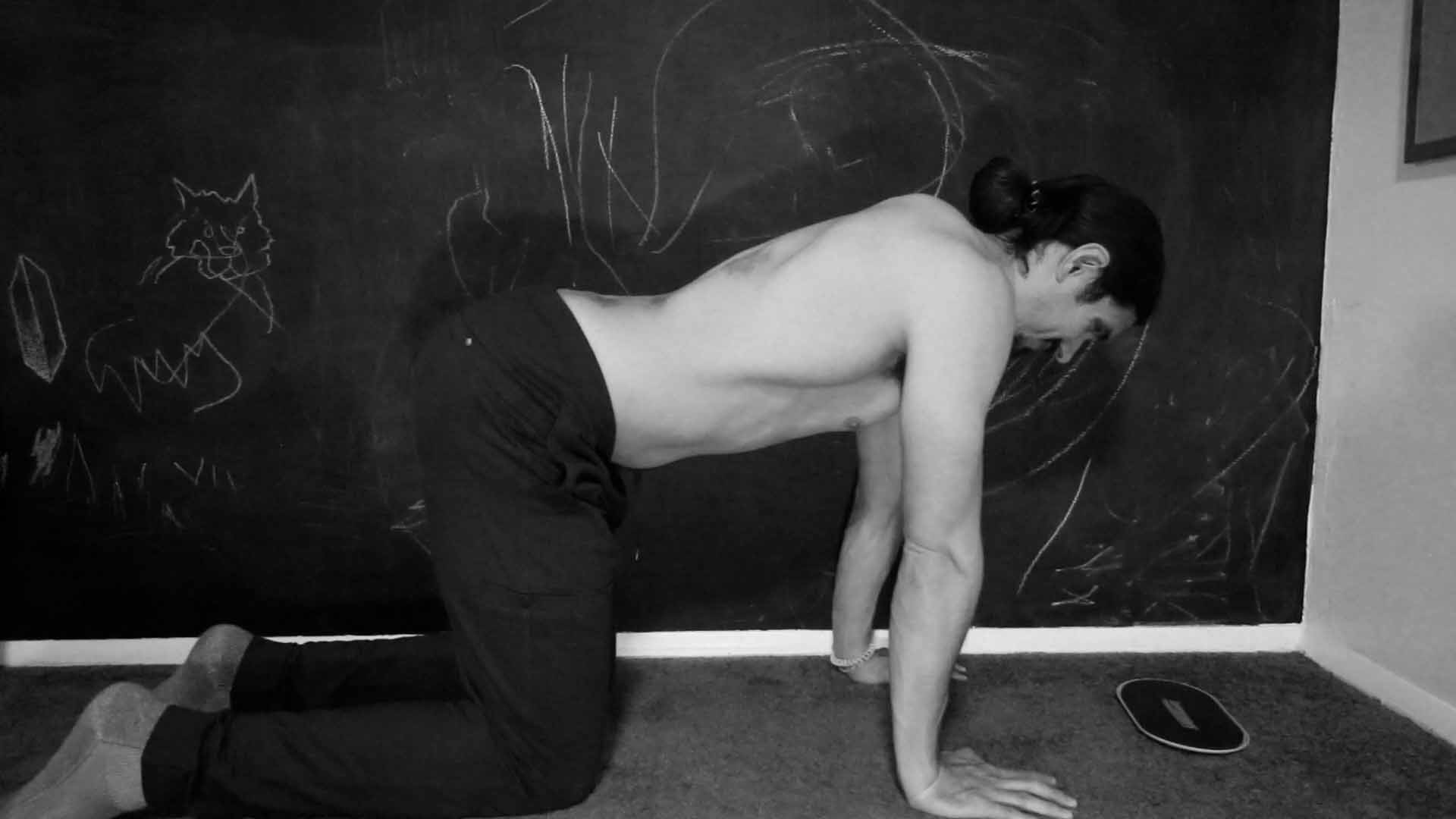
Unfold your lumbar spine one vertebra at a time, to return to the neutral starting position. This is ½ rep. To complete a full rep, repeat the sequence in the opposite direction.
Notes:
Try to keep your thoracic spine in the same position during the entire mobilizations. Watch for your ribcage dropping and your shoulders and shoulder blades being too active.
Parting words.
You should attack troublesome areas with isolated 2-D mobilizations.
You can do these mobilizations in reverse order. I went bottom-up here. In other words, these mobilizations started with the bottommost vertebra and worked towards the top. You can (and should) also go top-down from time to time.
Completely segmenting your spine is impossible. You’re not gonna have individual control over each vertebra, but programming that vision into your mind will get you closer to that ideal.
Even though complete segmentation is impossible, you want a trending wave in the direction you’re moving. Similarly, you should only feel tension and tightness in the region you’re trying to move. If you’re trying to move the top of your lumbar spine and you feel tightness in the top of your spine, then the joints in your spine are glued together. The five joints are behaving more like one single joint. Not good.
→ Neck
→ Shoulder-Blades
→ Shoulders (coming soon)
→ Elbow (coming soon)
→ Wrist (coming soon)
→ Thoracic Spine
→ Lumbar Spine
→ Hips
→ Knees
→ Ankles