Controlled Articular Rotations
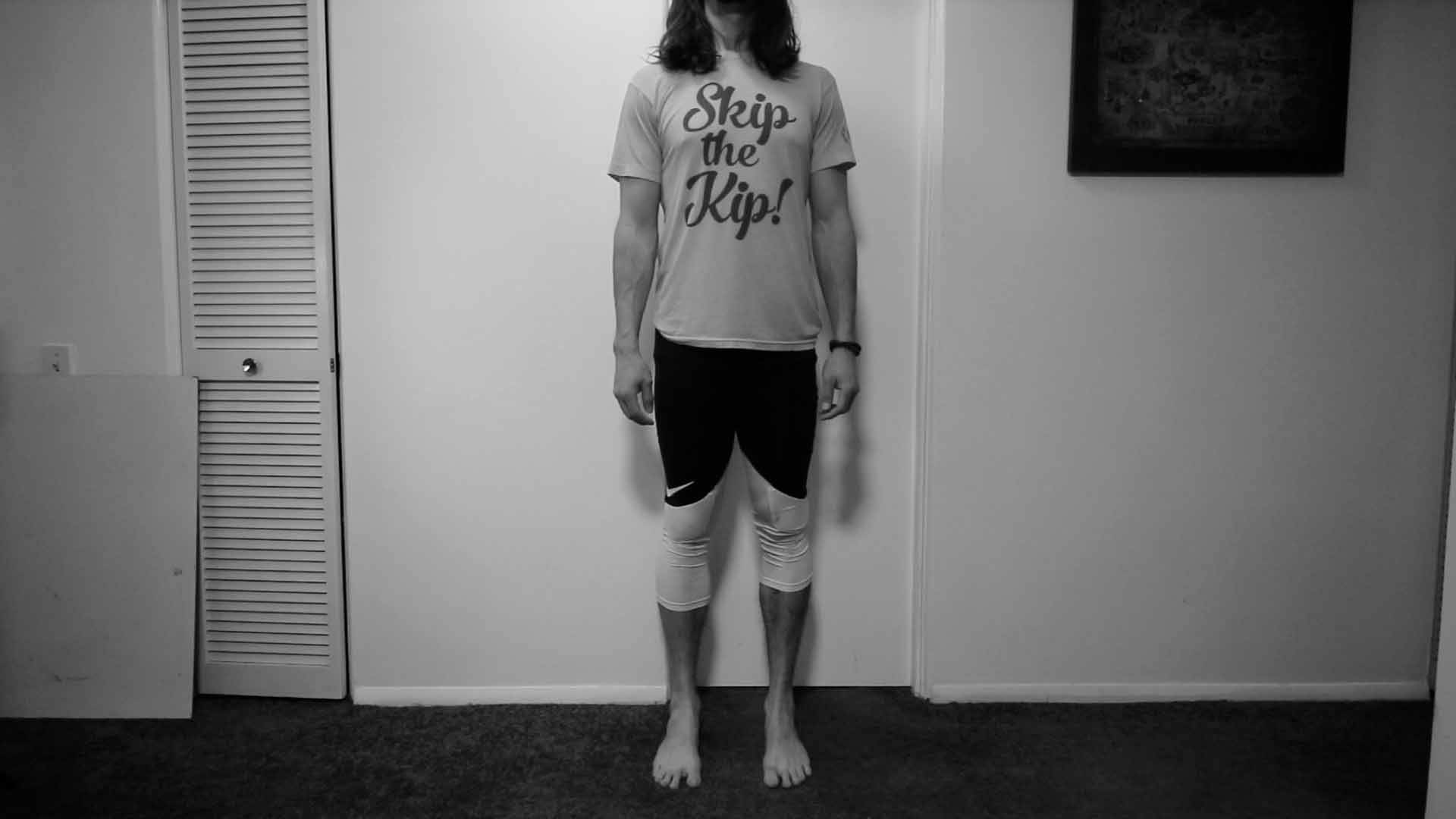
Neutral starting point: hips, knees, and feet lined up.
Countering compensations: shifting and tilting the hips
Basic functions:
- Flexion: knees to nose.
- Extension: donkey kick.
- Adduction: knee towards midline
- Abduction: knee away from midline
- Internal rotation
- External rotation
Flexion
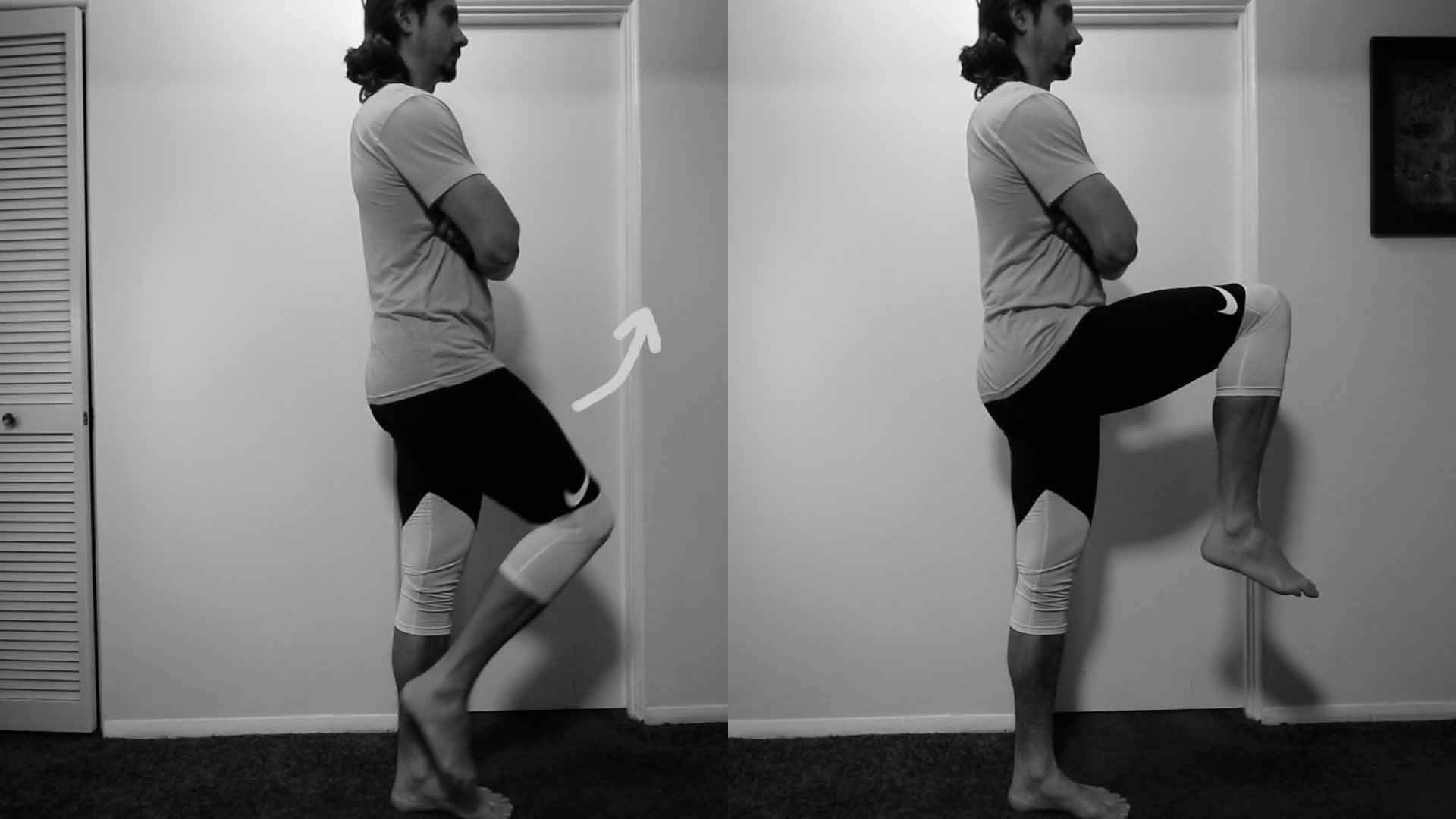
Flexion is when the angle between your hip crease and your thigh closes. Think of lifting your knee to your nose.
Notes:
Don’t round the spine.
Extension
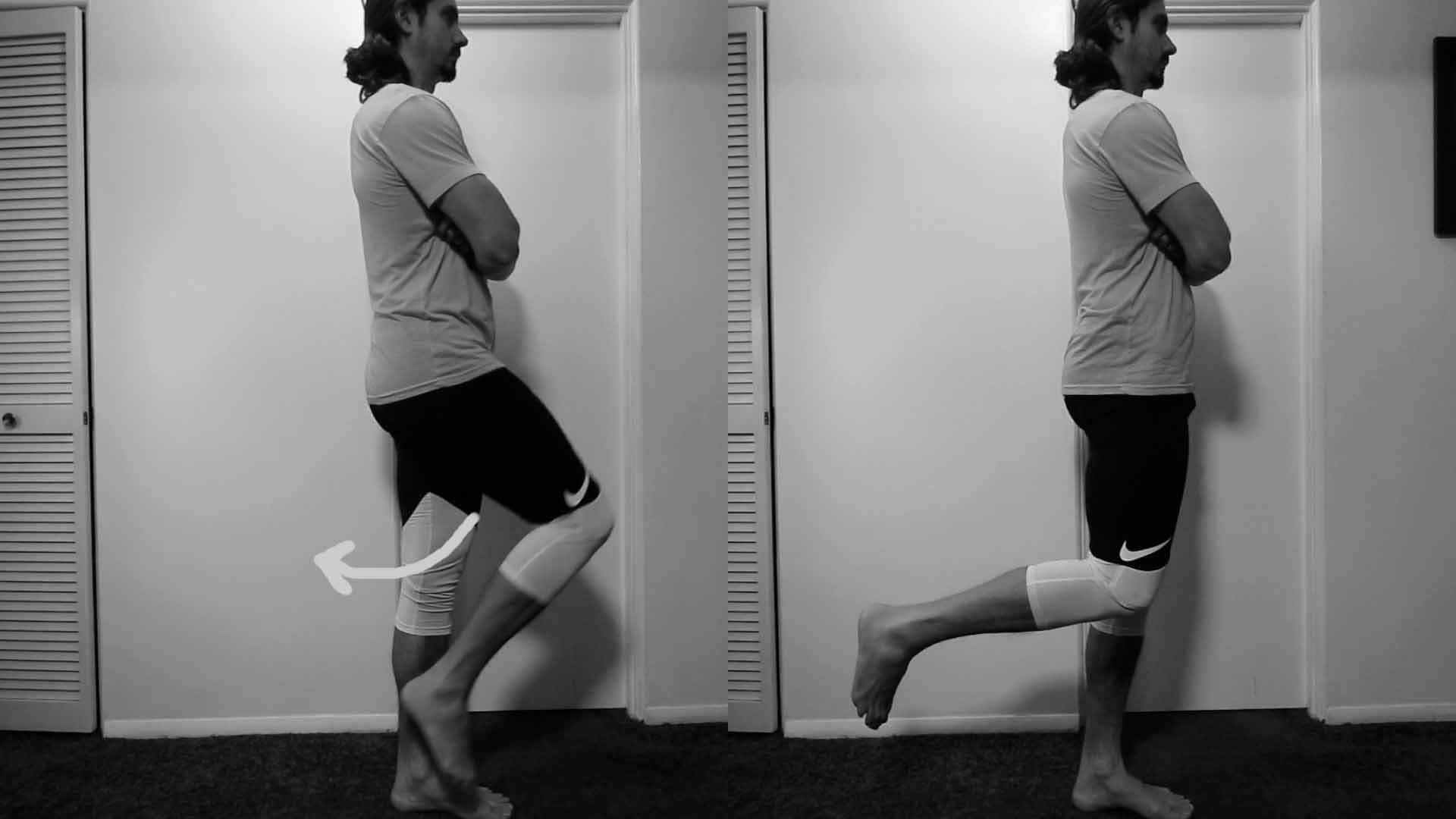
Extension is when the angle between your hip crease and your thigh opens. Think of kicking the air behind your body.
Notes:
Don’t arch your lower back.
Adduction
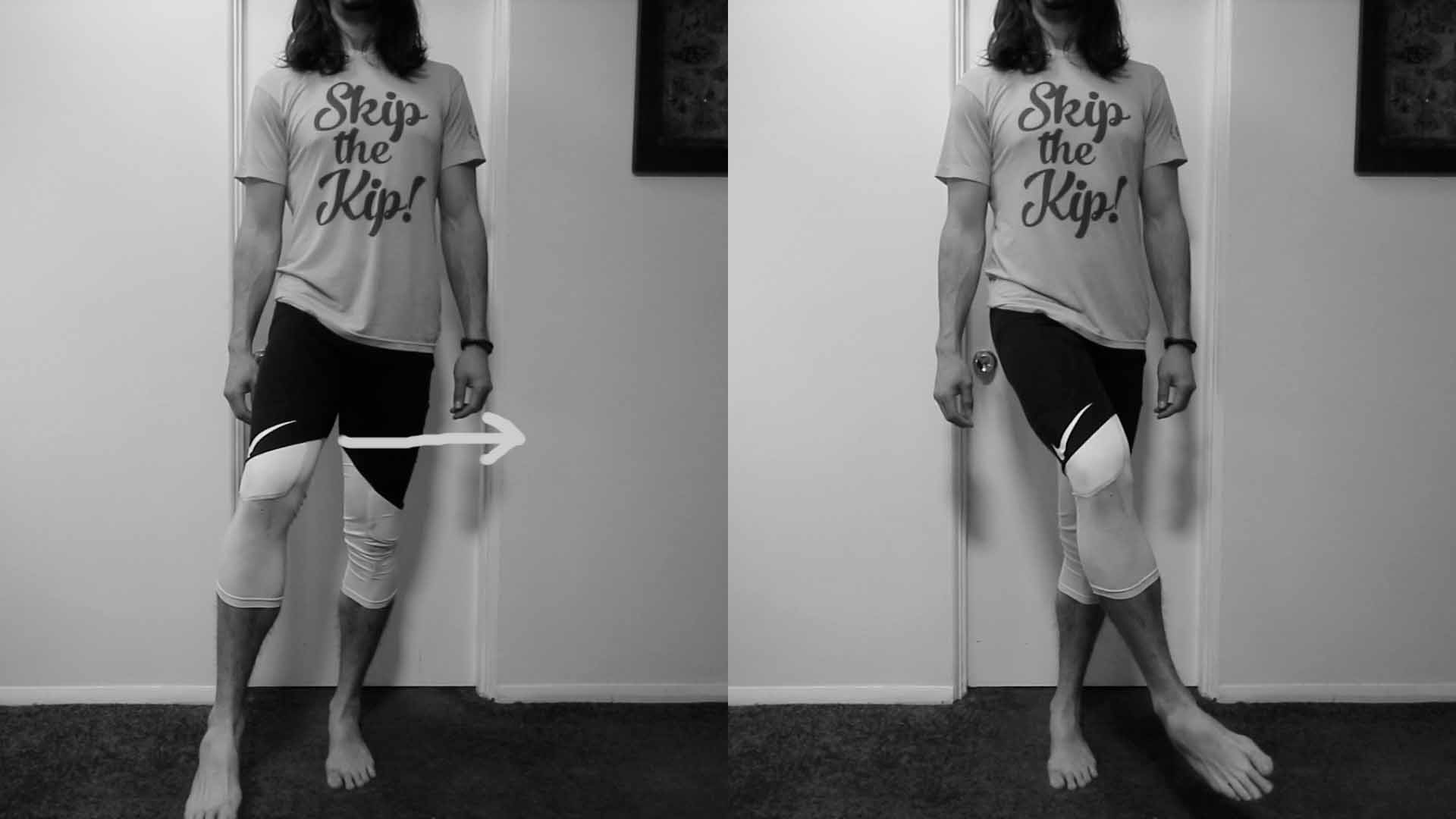
Adduction is when your thigh is brought towards your midline.
Notes:
Abduction
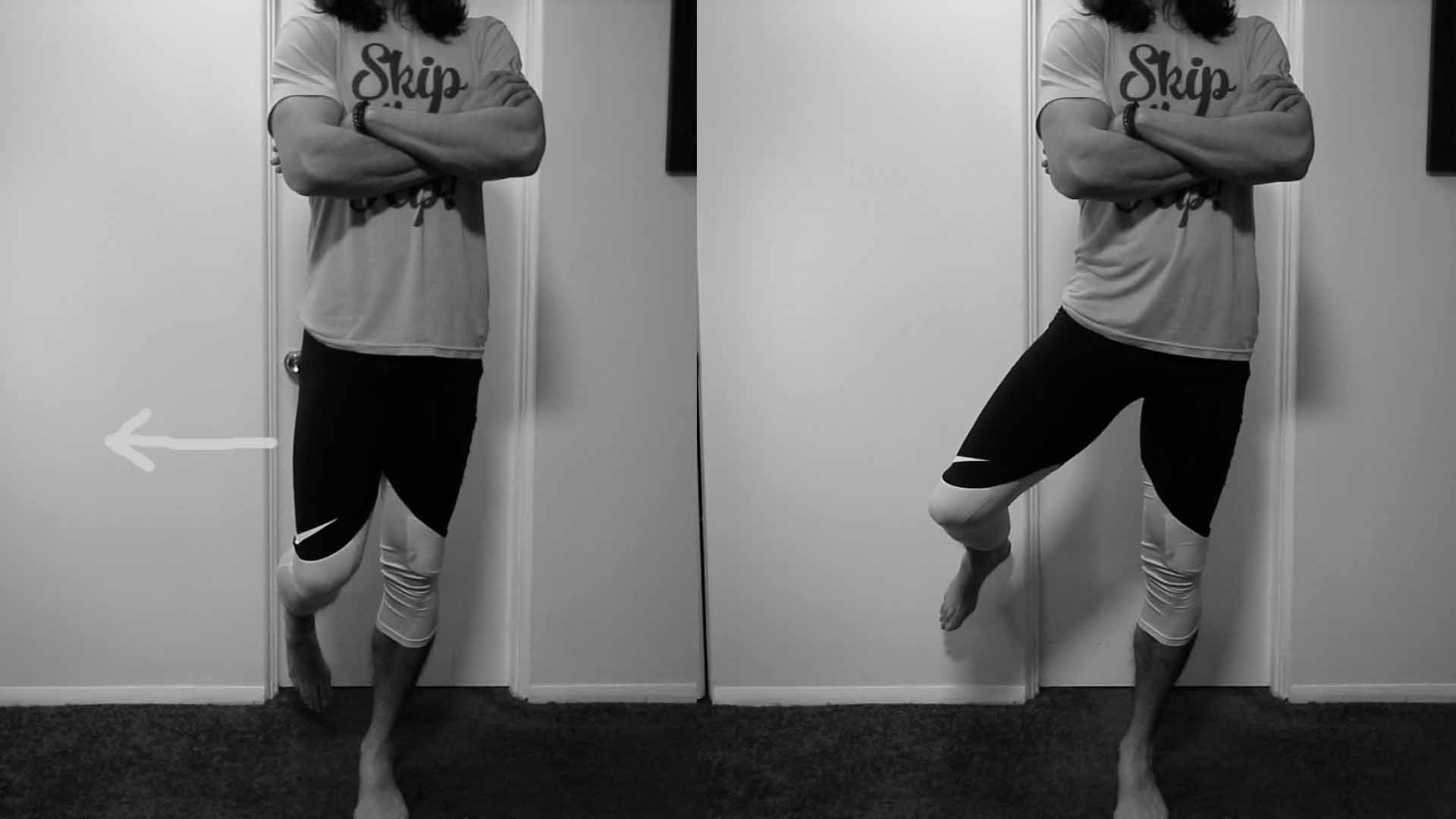
Abduction is when your thigh is lifted away from your midline.
Notes:
Internal rotation
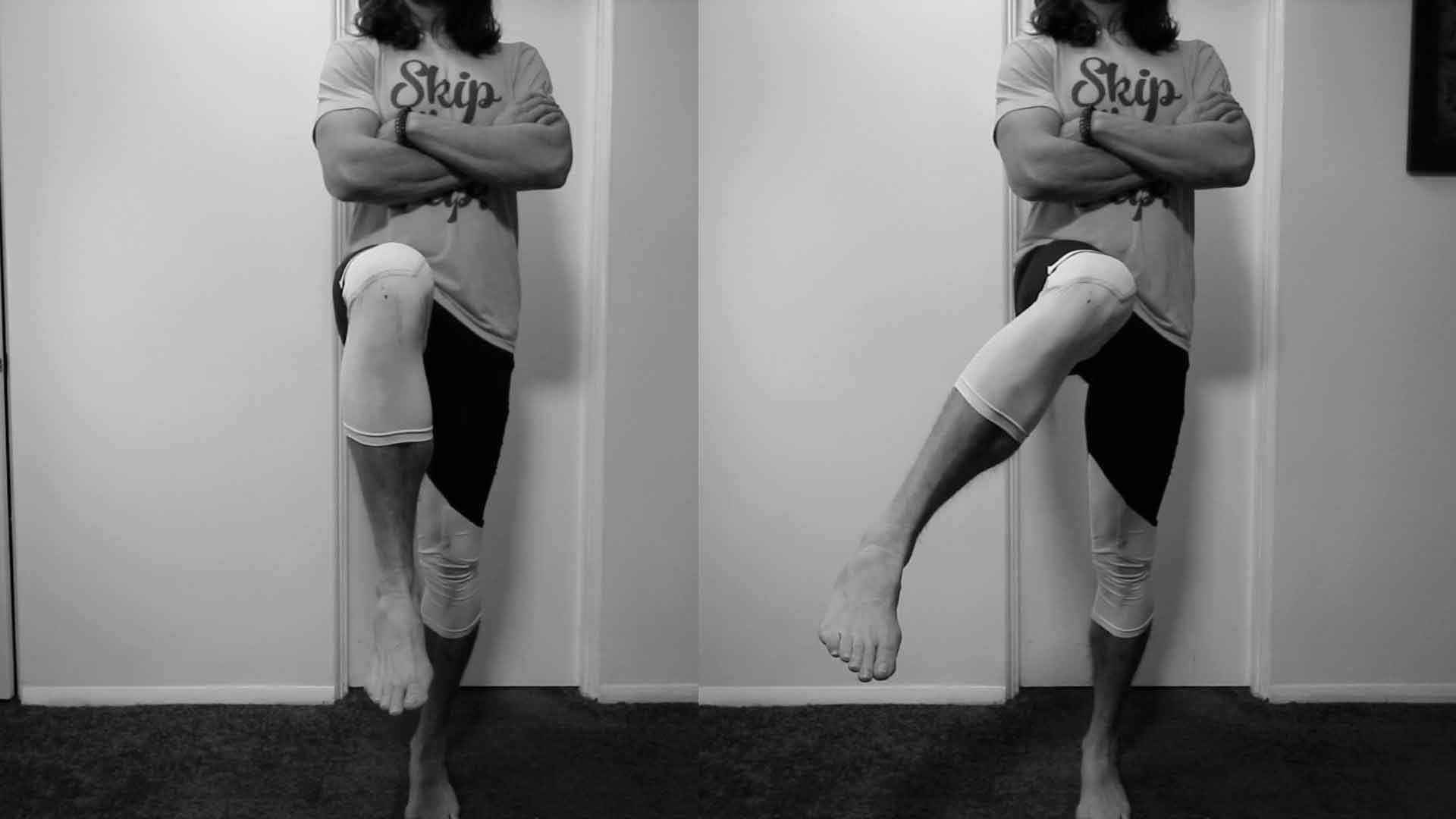
Internal rotation is when your thigh is rotated counterclockwise within the hip socket.
Notes:
External rotation
External rotation is when your thigh is rotated counterclockwise within the hip socket.
Notes:
3-D ROTATION
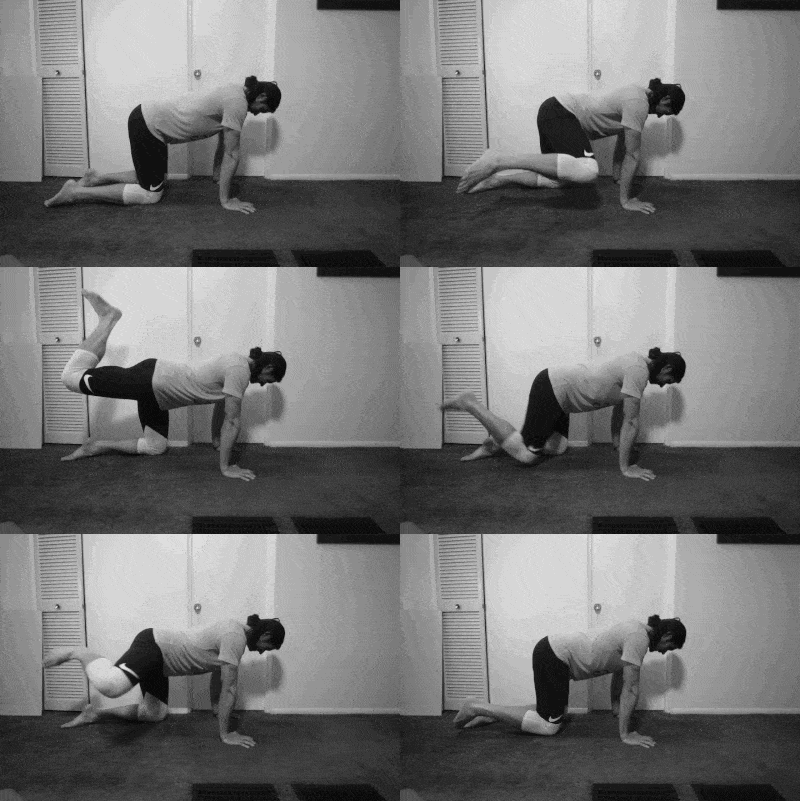
The 3-D rotation is a combination of flexion, abduction, internal rotation, external rotation, and extension. There’s a little bit of adduction involved, but not much.
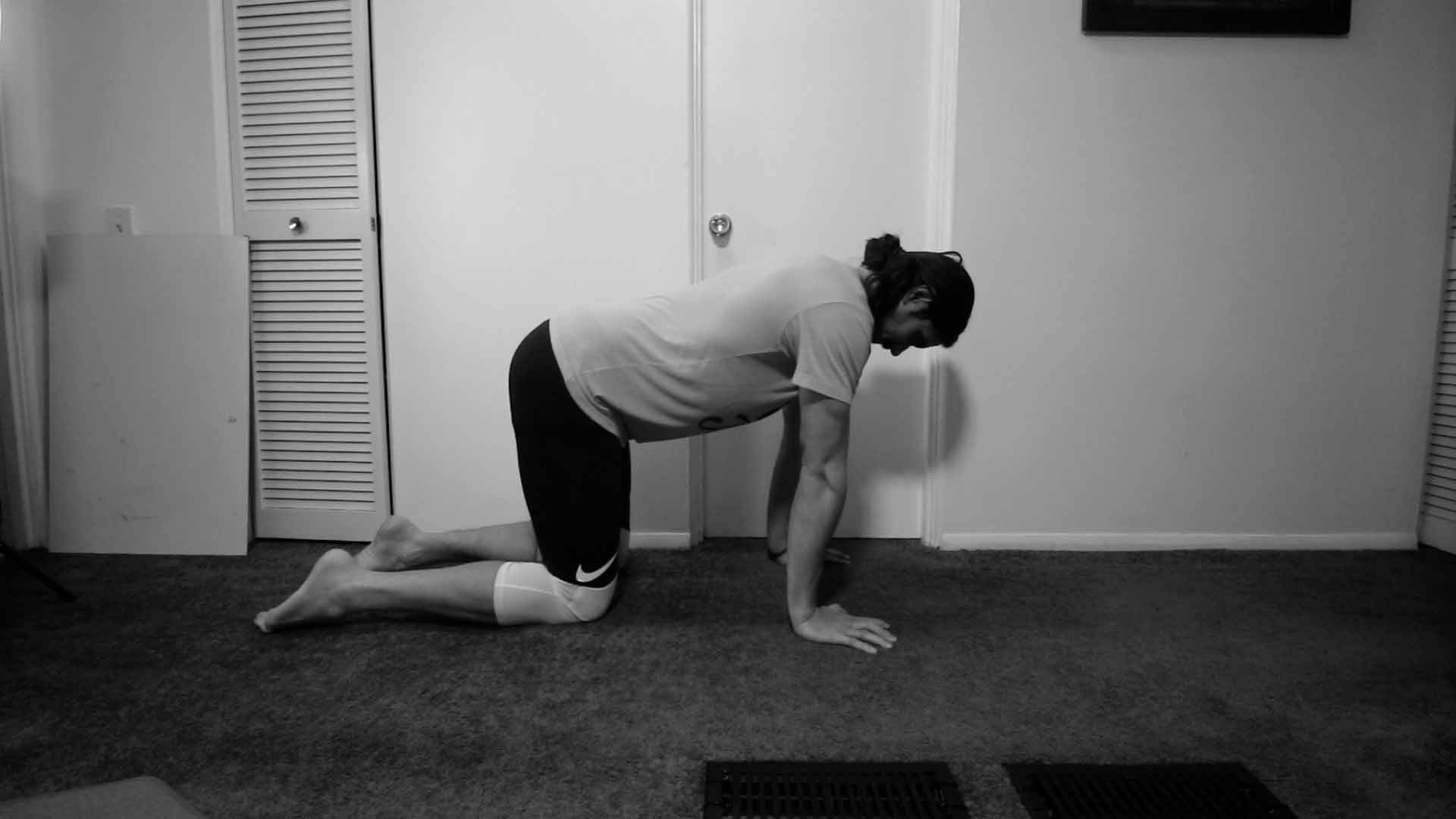
I like doing hip rotations from a quadruped position. Try your best to keep your lower back in a stable position. Also, try to keep your hips in line. Imagine having a dinner plate resting atop your butt. Your goal is to keep the plate in place during the entire rotation.
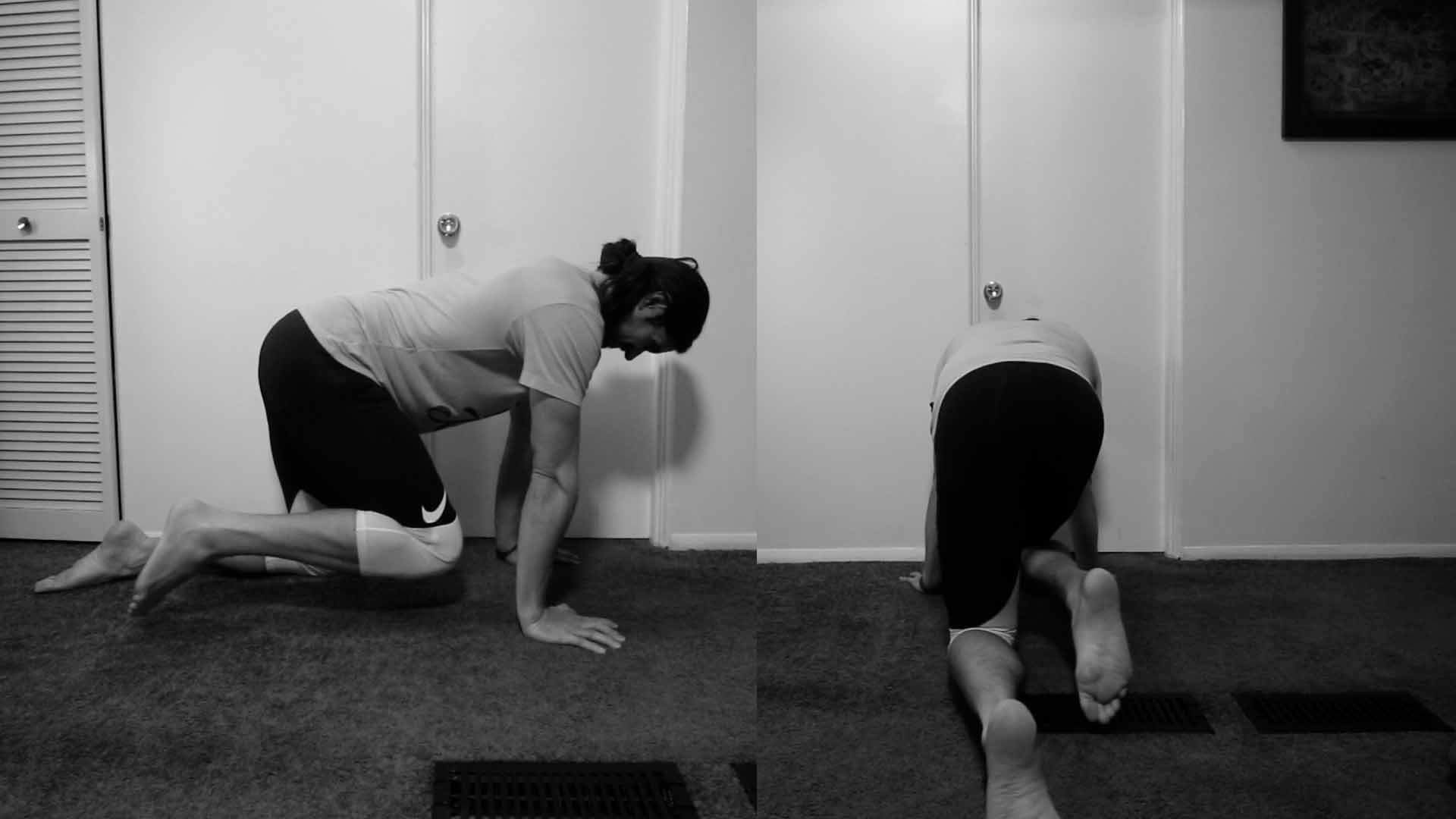
Start with flexion and adduction. Bring your knee toward your nose and toward your midline. This is the only adduction you’ll get throughout the rotation, so really think about squeezing your thigh across your body.
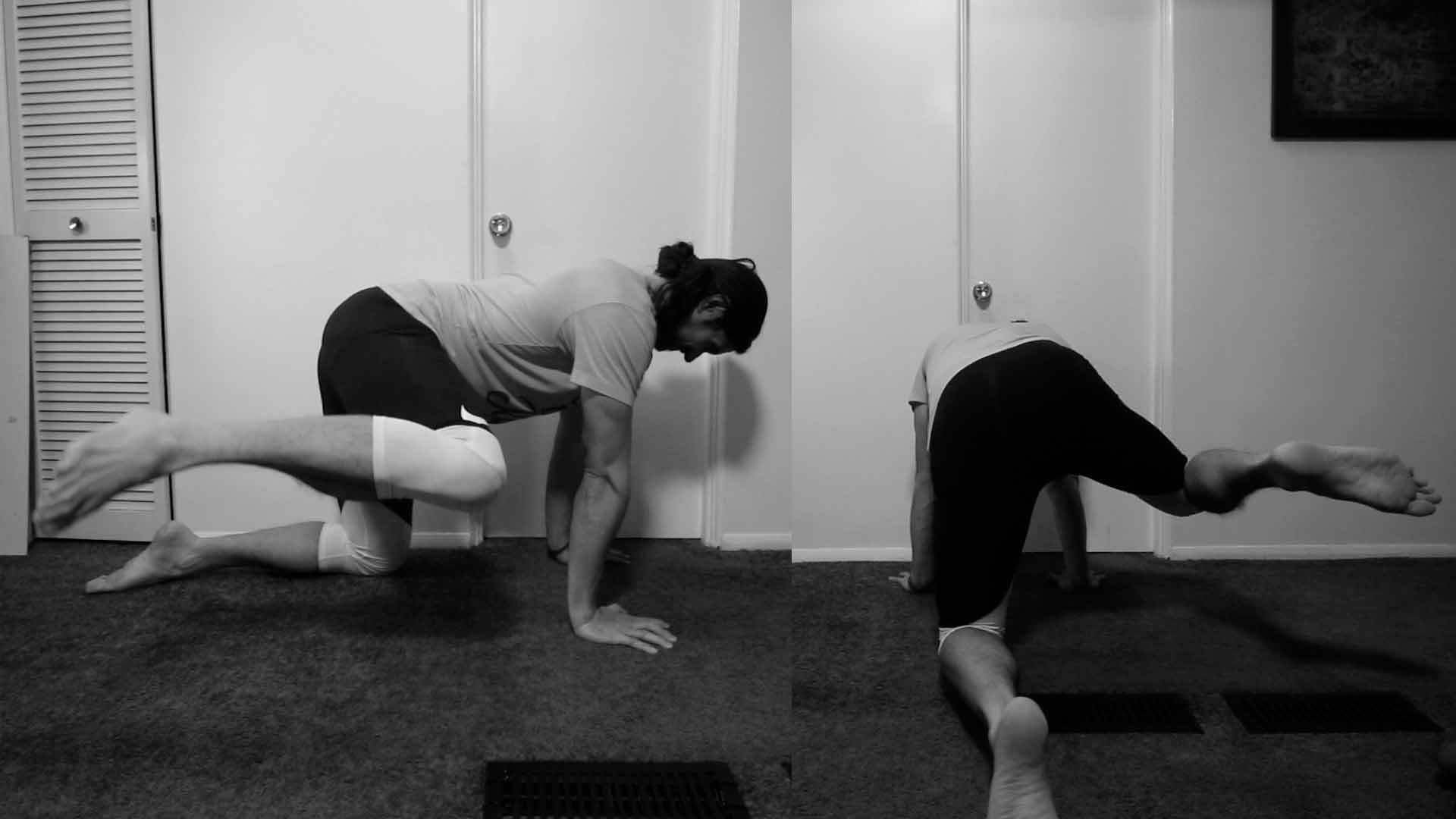
Once you’re fully flexed and adducted, move into abduction. Lift your knee as high as you can to the side, trying to keep your hips level. Be a dog peeing on a fire hydrant. Try to keep your knee high in the air.
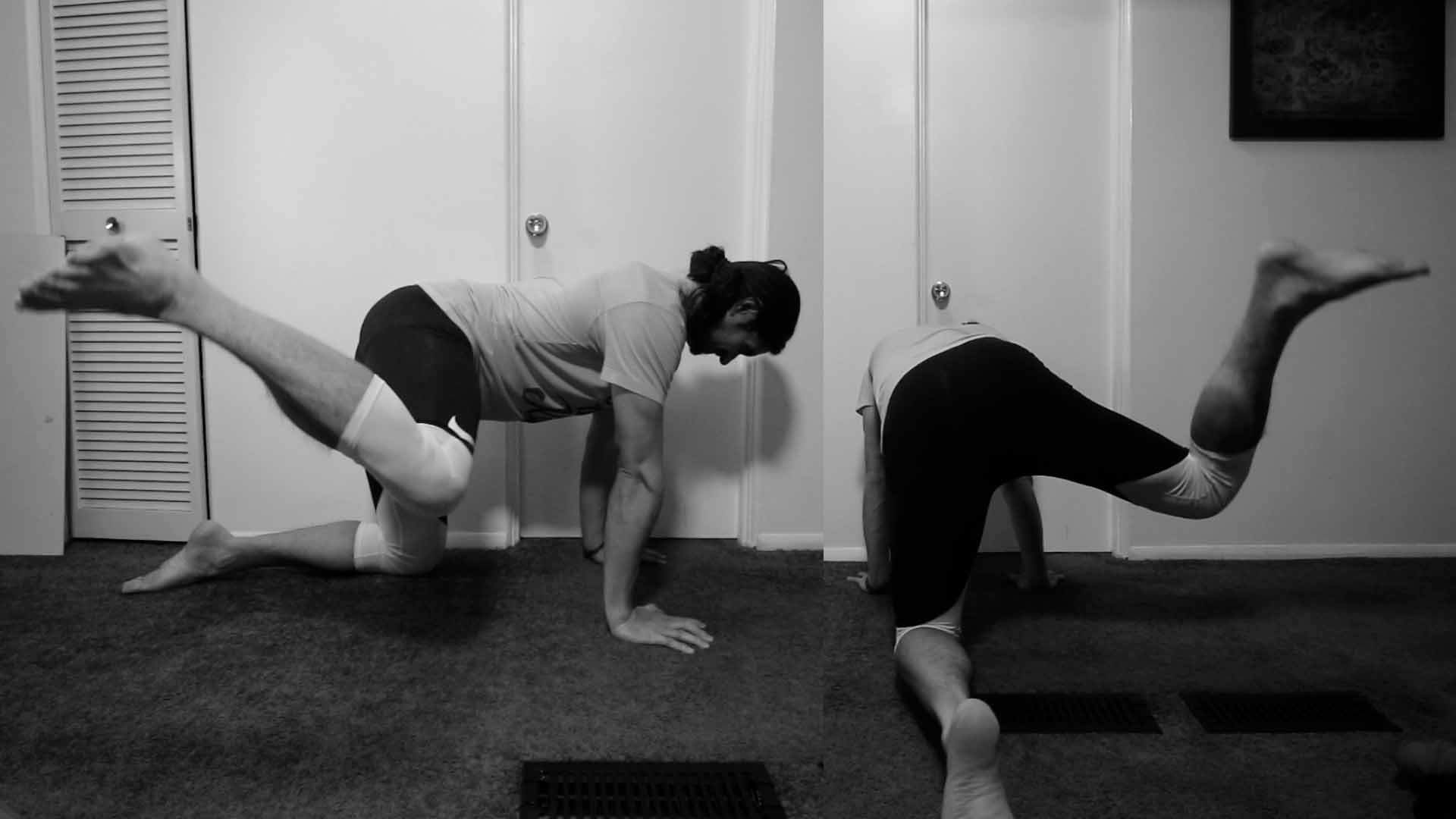
Once you’re fully abducted, internally rotate your thigh. Try to keep everything else unchanged.
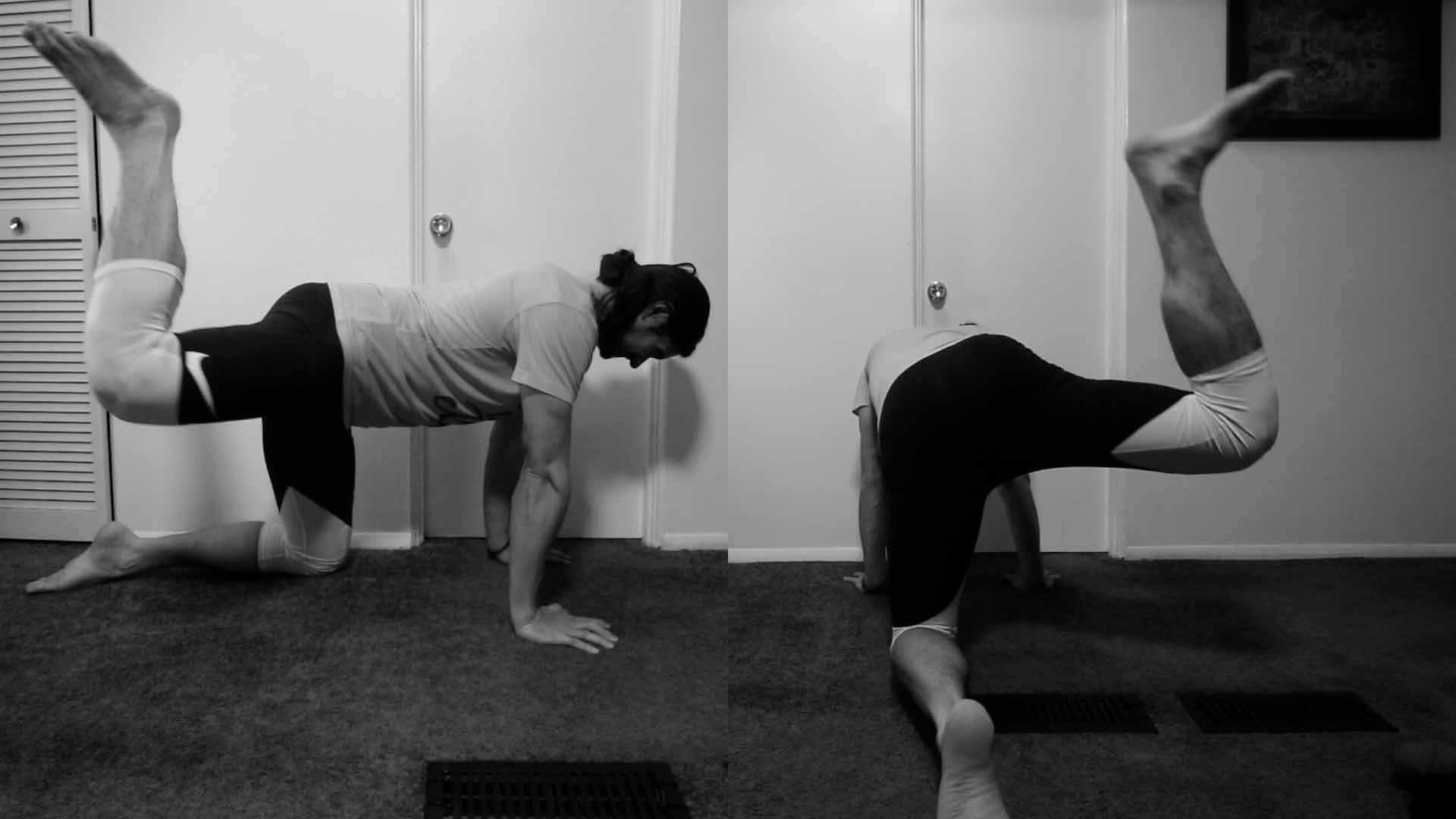
With your thigh internally rotated, circle your leg towards the backside of your body, keeping your knee high, trying to keep your hips level.
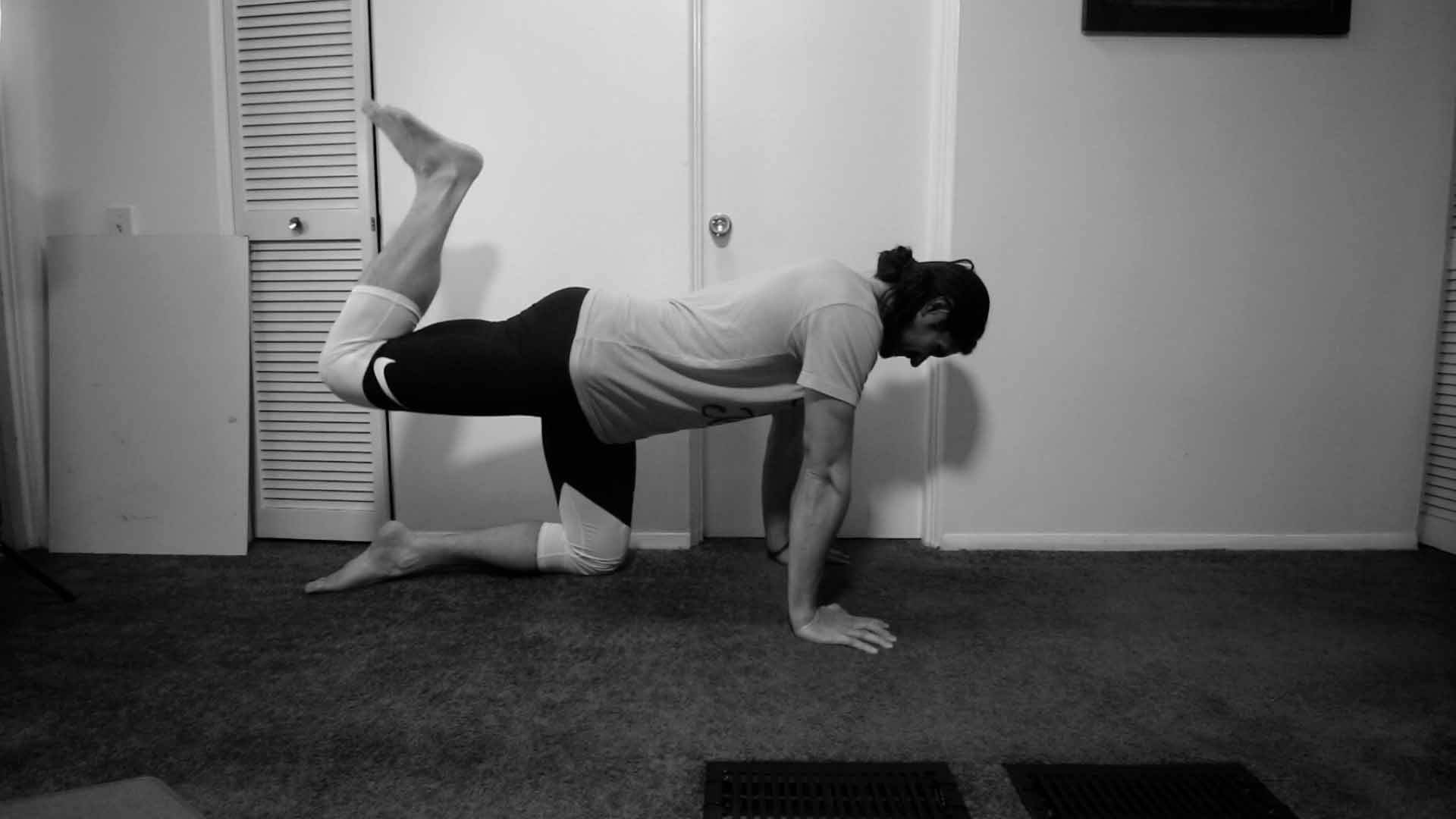
Once you loop your leg back to square, extend your hip. Kick the ceiling with your heel.
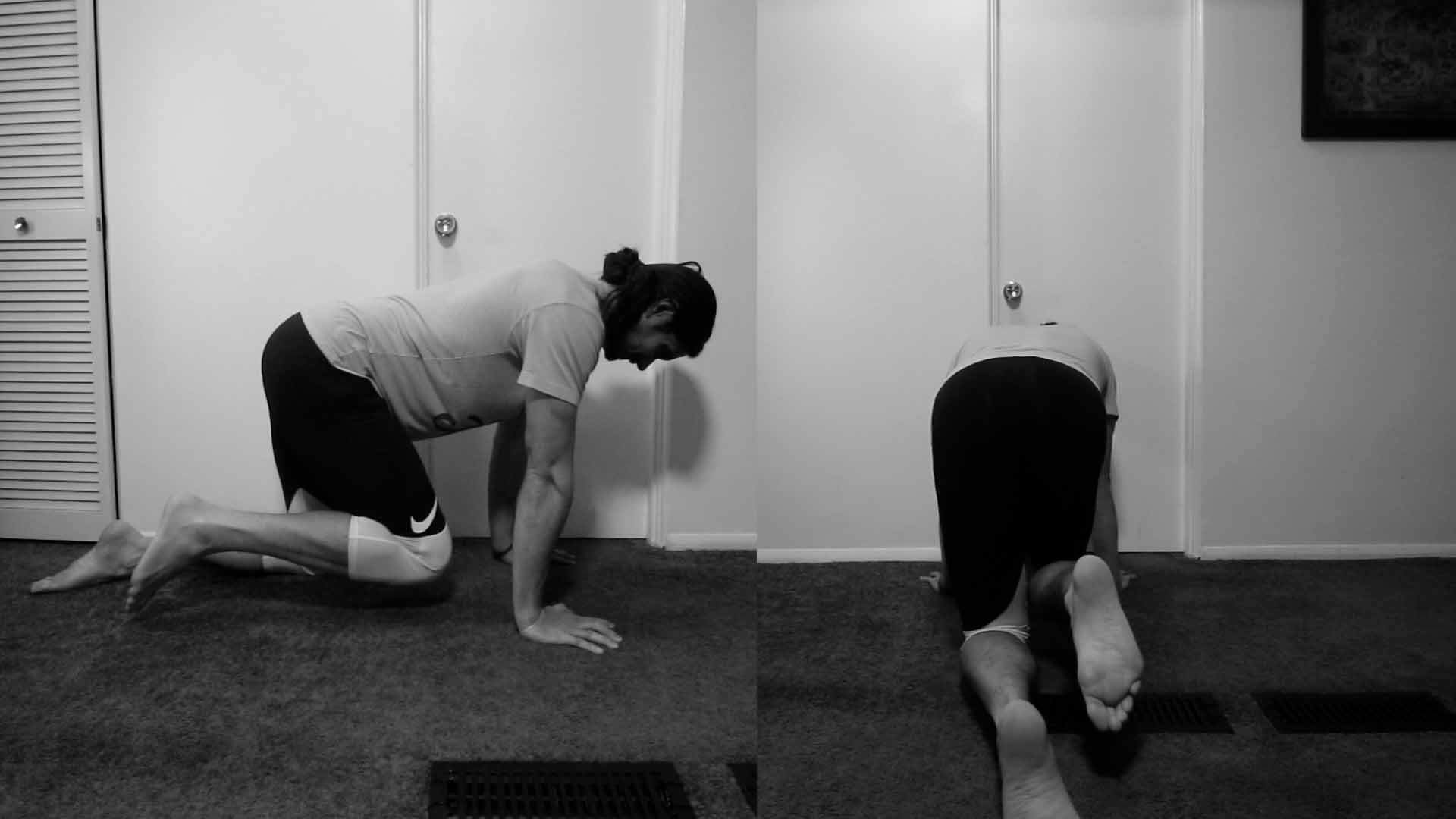
Bring your knee back down to a neutral starting position.
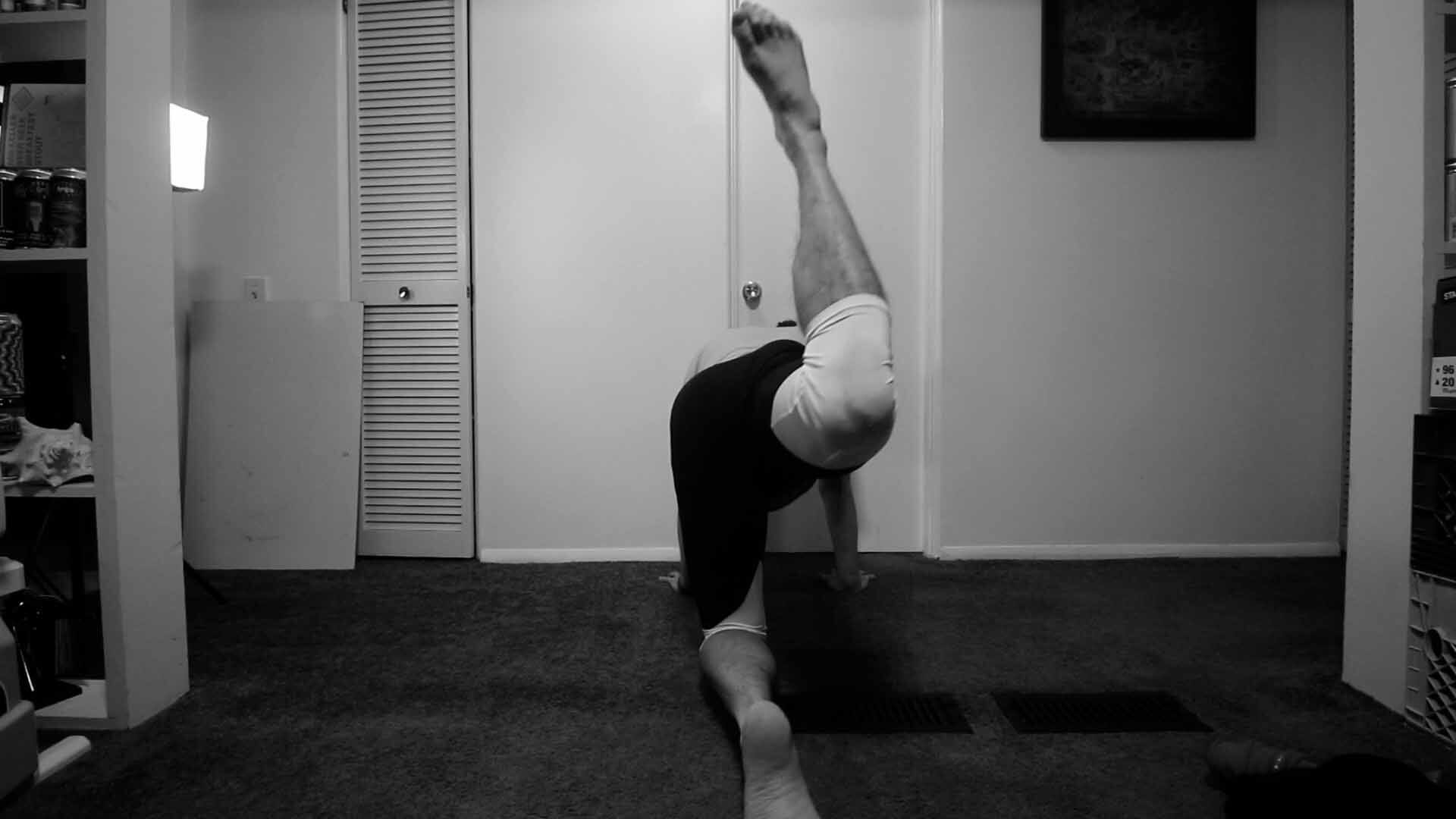
Reverse the movement by kicking the ceiling once against with your heel. Reach maximal hip extension.
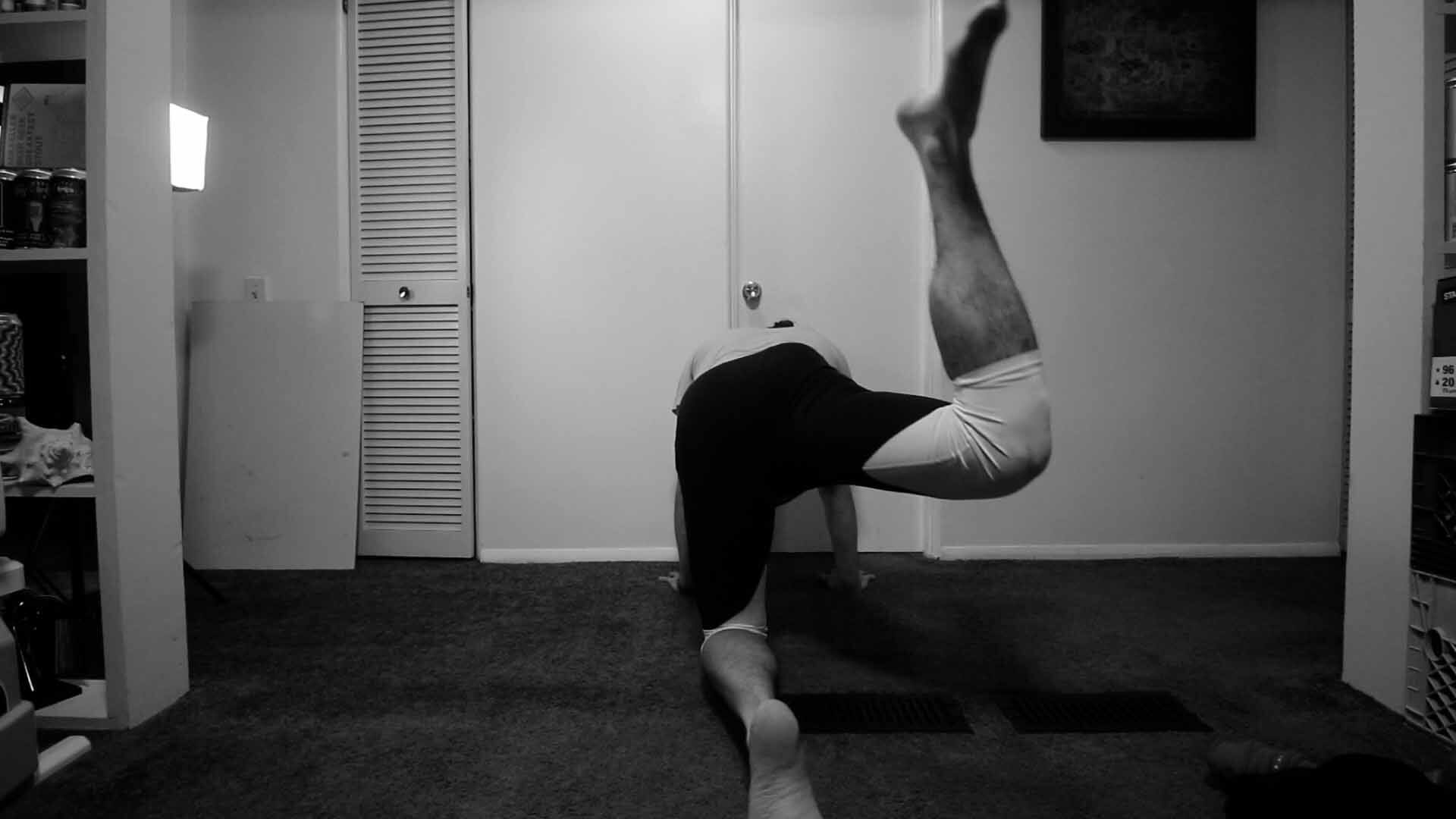
Once you’re fully extended, abduct your hip. Move your knee away from your midline.
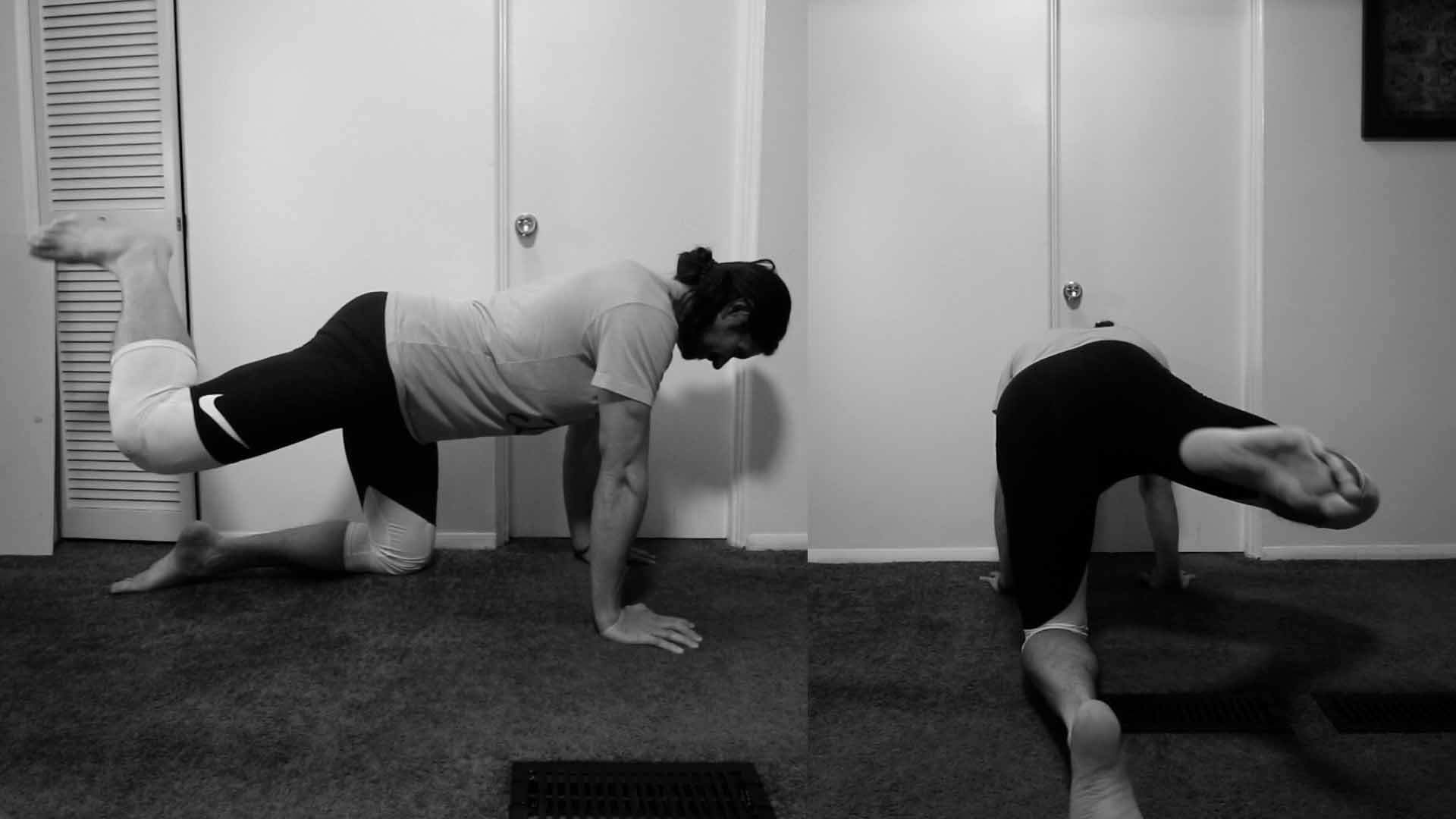
Once you reach max abduction, externally rotate your thigh as much as possible. Keep your knee as high as you can.
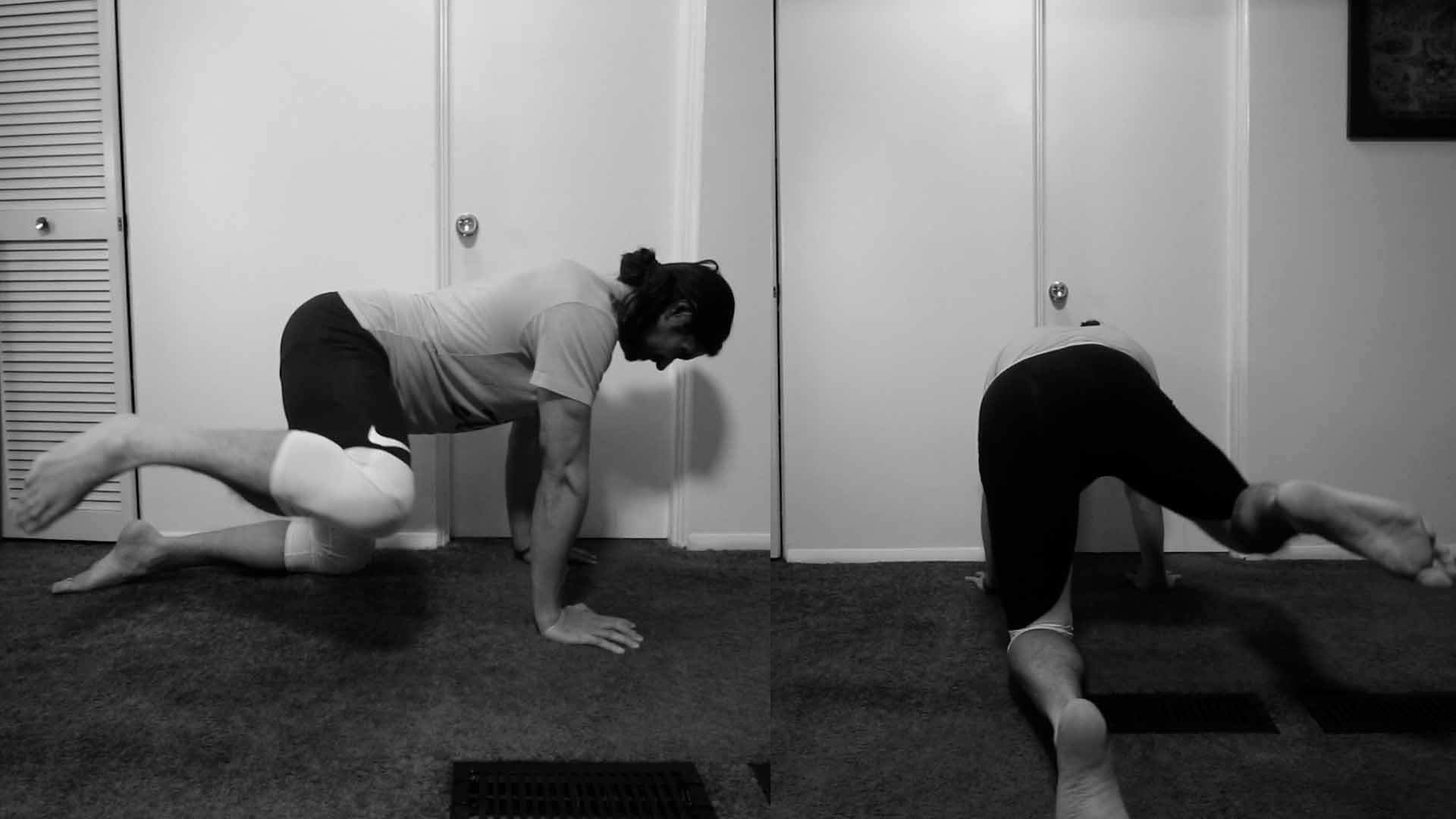
With your thigh abducted and internally rotated, move into flexion. Bring your knee to your nose as far as you can.
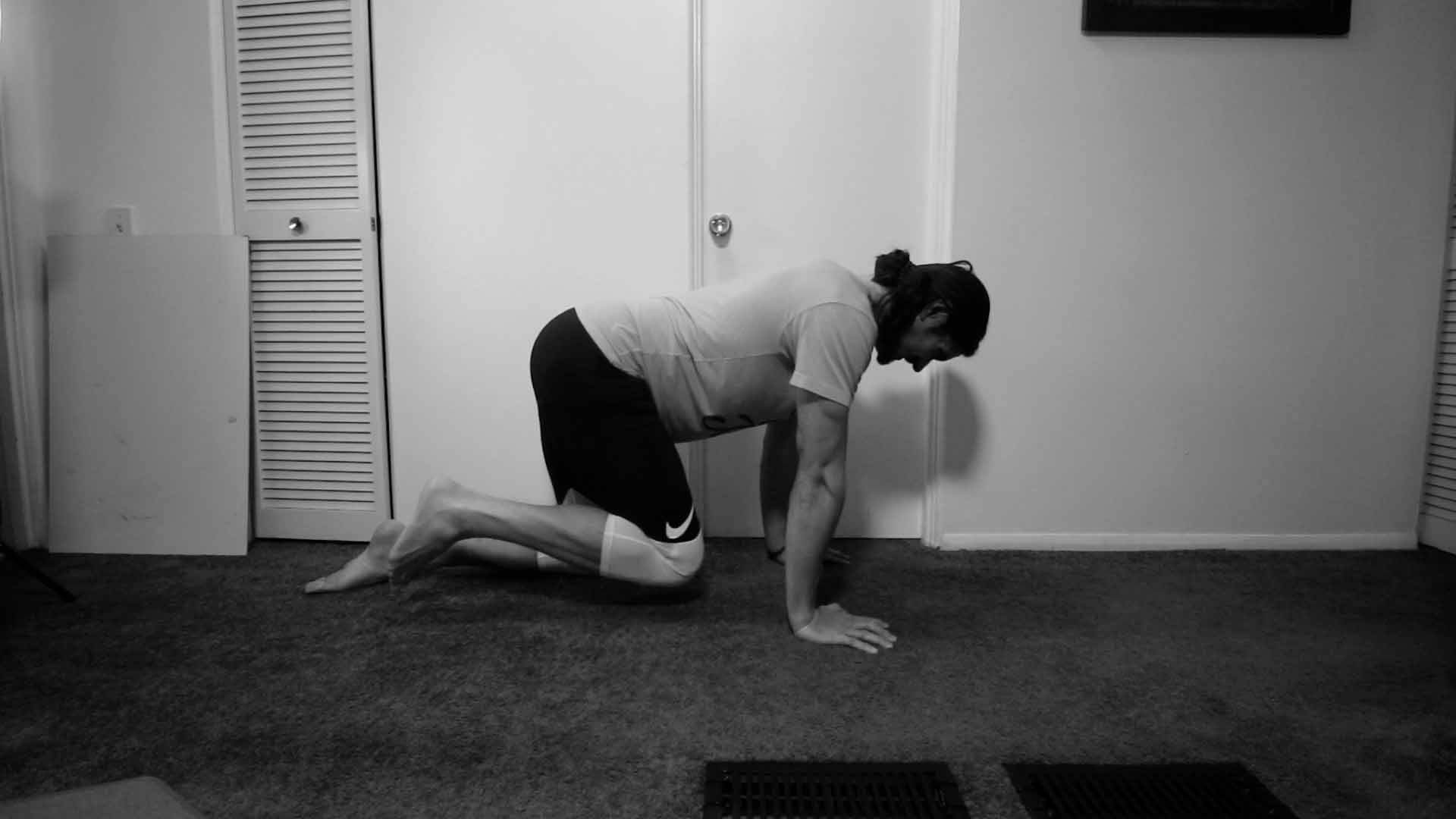
Loop your knee back towards the midline and relax back to the initial starting position. This is 1 rep.
Notes:
Take note of what movements feel tighter than others and when you’re prone to compensate. From a compensation standpoint, you’re looking at the hips. A plate should be able to rest atop your hips during this rotation.
You should attack troublesome areas with isolated 2-D mobilizations.
You can do these mobilizations in a different order. Instead of starting with flexion, start with extension.
Doing this rotation from a standing position can help you incorporate more adduction. I initiate the rotation below by trying to bring my knee up and across my body.
→ Neck
→ Shoulder-Blades
→ Shoulders (coming soon)
→ Elbow (coming soon)
→ Wrist (coming soon)
→ Thoracic Spine
→ Lumbar Spine
→ Hips
→ Knees
→ Ankles