you don’t need to know the physiology of fat loss in order to get leaner. you think Subway’s Jared Fogle (yeah, the pedophile — that guy) knows anything about non-exercise activity thermogenesis?
you don’t need to know why the recipe works, you just need to follow the recipe.
eat $5 footlong Subway sandwiches.
don’t ask questions.
being more braindead than a Bebop and Rocksteady is fine if you’re following a good recipe. unfortunately, when you’re braindead, the odds of you following a good recipe are smaller than Frieza’s phallus. you have no tact. you can’t separate good recipes from bad recipes. you wouldn’t think twice if a cake batter recipe called for one cup of black pepper and two cans of spam.
likewise, if you don’t have a bare-bones understanding of energy balance, you’re gonna worship Gwyneth Paltrow and blame your struggles on your aging metabolism, even though your metabolism doesn’t slow down until you’re sixty years old. to make matters worse, you’re not gonna take the blame when the situation goes sour.
when you fail to lose weight after religiously eating chicken coated in sugary teriyaki sauce atop cheesy ciabatta bread, you’re gonna think, i must be broken. you won’t think, this recipe must be more tainted than a fecal transplant.
admitting you followed a stained recipe is rare because you have to peg yourself stupid. and gullible. can’t believe i fell for that one. you’re more likely to blame your body because it absolves you of sin. i didn’t do anything wrong, my body is the problem; i have no control over my body.
if your past eleven fat loss attempts have failed and you’re more frustrated than i was when i was five years old and couldn’t get past the disappearing block portion of Heat Man’s stage, you might need to step out of the ring. you might need to wax some cars and paint some fences before you face your opponent again. you might need this:
Part 1
Energy Balance Equation
energy need.
your body needs energy every second of every day. unless you’re dead. you’re not dead. at least, i hope you aren’t. because if you’re dead, then i’m dead, too. is this a parallel universe? mom? dad? they’re here.

deliberate & non-deliberate.
your body’s energy needs stem from a combination of driving on parkways and parking in driveways.
driving on parkways: this is movement you can see. sometimes this is conscious. i’m gonna hop on the treadmill and work up a sweat! sometimes this is unconscious. i’m reading a book and, unbeknownst to me, my leg is bobbing up and down.
parking in driveways: this is movement you can’t see. i’m squirting bile into your stomach to help you digest the slice of chocolate covered bacon you pretended to enjoy because it was $5. i’m squeezing your heart to pump blood throughout your body while you dream about being a freshman in high school and forgetting your locker combination.
don’t be dumb.
your engine doesn’t turn off when you’re sedentary or when you’re sleeping. you aren’t moving to the naked eye, but you are moving. look at yourself under a microscope. your cells are partying like it’s 1999. your body would require energy even if you were comatose.
exercise increases the amount of energy your body needs, but not as much as you’d expect (more on this later). the majority of your daily energy needs stem from “idling” processes.
- heart beating.
- brain thinking.
- kidneys filtering.
- intestines digesting.
suffice to say, if your body doesn’t have energy to power essential physiological processes, you die.
energy need estimate.
you can get an idea of how much energy your body needs a daily basis using a simple equation:
AVERAGE DAILY CALORIE NEED
if you weigh 180 pounds and you’re mildly active, assume your body needs around 2340-2700 calories per day. if you’re young or super active in your daily life, sway your estimation towards the higher end of the range. if you’re older or sedentary, sway your estimation towards the lower end of the range.
keyword.
this an average and an estimate.
calories.
the amount of energy your body needs is measured in calories. calories are not “fattening” or “sugar.” calories are simply a unit of measurement for heat energy, much like degrees are a unit of measurement for temperature. there are no good or bad calories, just as there are no good or bad degrees… although i’m sure many liberal arts majors would disagree.
it’s like this: you get trapped inside of a vacuum sealed room, and then this room measures all of the heat that emanates from your body in a 24-hour time span. the total amount of heat you give off is indicative of how much energy your body needs on any given day.
you don’t have access to one of these rooms, which is why you multiply your weight (in pounds) by fourteen.
advanced estimates.
there are fancier ways to estimate your average energy needs. some total daily energy intake (TDEE) calculators account for your body fat percentage, your physical activity, your propensity to pick your nose and scratch your groin, your booger consumption, et cetera…
many things influence your average energy need, but accounting for more variable often gives an illusion of control more than actual control. you probably don’t have an accurate estimate of your body fat percentage. you probably won’t accurately estimate how active you are.
when you account for these errors within the extra variables of consideration, you end up with an otherworldly estimate of your average energy needs.
just multiply your weight (in pounds) by fourteen.
don’t get fancy.
conundrum.
your body gets the energy it needs by bursting tiny firecrackers inside of you. energy is released upon explosion. unfortunately, your body doesn’t have infinite firecrackers. and once a firecracker explodes, it’s useless… until your body repairs it.

energy feed.
your body derives energetic material from food. burritos and beignets are broken into bits and bytes and the resultant biochemical soup is used rebuild your firecrackers. something about ATP becoming ADP and then, through some CPR, returning as ATP. i don’t know how the transmogrification of materials happens, i just know that it happens. whatever.
food calories.
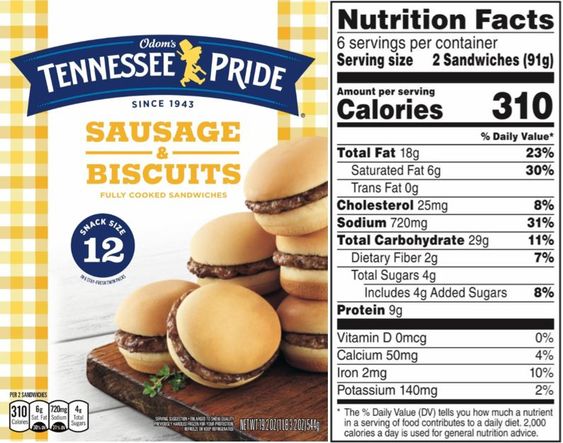
you can estimate how much energy you feed yourself. packaged foods usually have a nutrition facts label, which tells you: one serving of so-and-so contains so-and-so number of calories. this is assumed to equal the amount of energy your body can extract and use (spoiler: it’s not). you can compare this with how many servings you eat to estimate how much energetic material you’re consuming.
(if there’s no nutrition facts label on the package, you can usually find a food’s nutrition facts on the internet.)
segue.
there’s energy need.
there’s energy feed.
there’s also stored energetic material.
stored energy.
Earth can murder us at any moment. if oxygen pulled a Houdini for five consecutive minutes tomorrow, many humans (myself included) would become mud. fortunately, we can survive longer than five minutes without eating food, despite needing energy 24/7.
we can go without food for three weeks (on average) because we have ability (and propensity) to stockpile excess energetic material we eat.
stockpile energetic material.
your body isn’t wasteful. if you eat an abundance of energetic material, your body will store the leftovers. if your body needs 2000 calories on Monday and you eat 2147 calories, then 147 calories are “stored.” (things don’t happen this precisely, but you get the idea…)
subtract energetic material.
if you consume a lackluster amount of energetic material, your body will break down and use its stored sources to keep you alive. if your body needs 2000 calories on Monday and you eat 1900 calories, then 100 calories will be taken from storage and used to cover the need. (things don’t happen this precisely, but you get the idea…)
Energy Balance Equation.
the Energy Balance Equation says the relationship between your energy feed and your energy need leads to changes in the amount of stored energetic material you have.
energy feed > energy need
you’ll have a surplus of incoming energetic material, which will result in an increase of stored energetic material.
energy need > energy feed
you’ll have a deficit of incoming energetic material, which will result in a decrease of stored energetic material.
what does it all mean, Basil?
the Energy Balance Equation says nothing about body fat, but i’m willing to bet your brain paired “stored energetic material” with “body fat.” and if it didn’t, it now most certainly has. I AM A GREAT TELEPATHIC WIZARD AND YOU ARE AT MY BIDDING!
body fat is, indeed, stored energetic material, which means losing fat follows the same formula as decreasing stored energetic material. you need an consistent energy deficit: [energy need] must eclipse [energy feed] over time.
how?
assuming you aren’t losing fat, there are two ways to bias the Energy Balance Equation in your favor:
- increase energy need.
- decrease energy feed.
increasing need.
you can increase your energy needs by exercising more or just being more active in general. do yard work on the weekends. take walks. have sex. play with a yo-yo.
exercise woes.
increasing your energy needs by exercising usually isn’t as fruitful as you’d expect. a thirty-minute jog (on average) will only increase your energy need by 200-300 calories on paper. meanwhile, one plain bagel at Panera Bread contains 300 calories.
this is why, for fat loss, nutrition is king. subtracting how much energy you feed tends to be easier and more productive than increasing how much energy you need.
not to mention, exercise may not increase your energy needs nearly as much as the paper suggests. in other words, a thirty-minute jog may not even increase your energy need by 200-300 calories. when you combine this with moral justification and the likelihood of you rewarding yourself with food after you exercise, you might end up with an energy surplus as opposed to an energy deficit.
feed focus.
you’re much better off focusing on your energy feed to facilitate fat loss. this isn’t to say exercise isn’t important. it is. but you shouldn’t exercise for the sole purpose of increasing your energy needs.
body fat’s energy.
the general rule of thumb: one pound of body fat “contains” 3500 calories worth of energetic material. and so, to lose one pound of fat, you need to create a 3500 calorie deficit… in theory.
turns out, the Energy Balance Equation is like a Transformer: it doesn’t understand why Megan Fox keeps injecting fillers into her face. also, the Energy Balance Equation is also more than meets the eye. Ξ
Part 2
Fueling for Fat Loss
squint your eyes.
the Energy Balance Equation is more than meets the eye. much like one of those 1990s MagicEye pictures, you need to squint your eyes and look past the flat two-dimensional world you initially see. here’s one reason why:
muscle.
body fat isn’t your only source of stored energetic material. you have others. and so, you might not lose one pound of fat after creating a 3500 calorie deficit because you won’t use solely body fat stores to compensate for every single lost calorie.
i won’t pretend to know every possible tissue your body can break down and use for energy, but i know this: muscle mass is one of them. this is why losing fat can also trigger muscle loss.
good news, better news.
the good news: body fat is the default substrate to compensate for a lack of incoming energy. you won’t lose muscle mass without also losing body fat.
the better news: there are ways to minimize muscle loss during a calorie deficit.
balls deep?
here’s one thing you SHOULDN’T do to minimize muscle loss: starve yourself. on paper, a deep energy deficit seems like the best play. get the job done quicker. unbalance the scale towards fat loss as much as possible to lose fat quickly.
this is true… to a point.
if you need 2500 calories every day you feed 2499 calories every day, it’d take you 3500 days to lose one pound of fat. not good.
on the flip side, if you ate nothing for an entire week, the numbers suggest you’d lose around one pound of fat every two days.
you wouldn’t.
because the odds of your body using muscle mass or some other non-fat tissue for energy increases with the depth of your deficit… as does your chance of incurring metabolic damage.
metabolic what?
damage.
seriously?
yes.
explain?
okay.
machine.
we expect the Energy Balance Equation to behave mechanically, like a car. there’s energy need, which is the amount of fuel it takes you to idle and drive around. there’s energy feed, which is the amount of fuel you accumulate at the gas station. and then there’s stored energetic material, which is the amount of fuel inside of your tank and inside of red canisters you carry in your trunk.
makes sense.
until doesn’t.
you already know one reason why. your body has more than one form of stored energetic material. this is just the beginning of your metabolism’s madness.
moist machine.
how your body handles energy is less like car how a car handles fuel and more like how you handle money (assuming you aren’t MC Hammer).
- body = brain
- energy = money
- energy feed = income
- energy need = expenses
- body fat = savings
when you create a deficit between income/feed and expenses/need, your body needs to get the money/energy somewhere, else you die. one way to get the money/energy is by reaching into your savings/fat, which is stuff you’ve set aside for this exact moment in time; stuff you’ve been accumulating to keep you afloat when you have lackluster income/feed.
this keeps you alive, but there’s a catch: you don’t have an infinite amount of savings/fat. this is an important factoid because if you run out of savings/fat, you’re as good as dead.
you don’t want to die.
pulling from your savings/fat like a gambling addict is a short-term band-aid, not a viable long-term solution.
make changes.
what would you do if your expenses consistently eclipsed your income? if you were regularly pulling from your savings? if you had no way of increasing your income?
you’d probably sell your possessions and change your lifestyle. you’d lower your expenses to match your abysmal income.
cancel the premium cable package. set the thermostat at a higher temperature during the summer. i don’t know where this Brazzars subscription came from, but that needs to go, too.
your body does the same thing. shrinking the gap between income/feed and expenses/need keeps you alive longer. this is why you’re prone to lose muscle mass during a calorie deficit.
muscle energy.
muscle makes you a bigger creature. the more muscle you accumulate, the bigger you become. and bigger creatures require more energy. elephants eat more than ants.
if you get rid of muscle, your body won’t require as much energy. decreased energy need is good if you’re struggling to pay rent. as a bonus, you can pay your bills with the muscle mass you break down.
it’s a win-win.
more metabolic madness.
your body cares about survival, not six-pack abs, boulder shoulders, and looking taut in tighty whities. this is why your body can undergo (undesirable) metabolic adaptations beyond vaporizing your muscle mass in response to a chronic calorie deficit.
A. Your body may find ways to use less energy both at rest and during exercise, which will decrease your energy needs.
a chunk of your energy need is a byproduct of non-exercise activity thermogenesis (NEAT), which is the energy you use throughout the day when moving and fidgeting: bobbing your head to music, picking your nose, walking to the beer fridge, flipping pancakes in the kitchen, et cetera…
during a chronic calorie deficit, non-exercise “spontaneous” activity levels may decline, which will decrease your energy need.
B. Your body may make you hungrier, which will increase your cravings.
you’ll be sitting at your desk at work and your stomach will rumble early and often. you’ll only be able to think about food. delicious food. you’ll search for the best barbeque joints in your area. you’ll salivate. you’ll want to place an order. you won’t. you’ll eat the lunch you packed. you’ll be disappointed. you wanted barbeque. you wanted cornbread. you’ll get depressed. you’ll quit your diet soon after.
C. Your body may blunt satiety signaling, which will make you feel less full and satisfied after meals.
you’ll eat your “diet” dinner. you’ll still be hungry afterward. you’ll be compelled to snack and eat something you shouldn’t. you’ll resist at first. you’ll crumble eventually.
metabolic damage.
most of these undesirable adaptations are associated with “metabolic damage.” truthfully, i don’t know what metabolic damage is. there doesn’t seem to be a universal definition. seems to be something people diagnose themselves with when they can’t lose weight. i’ve been dieting for months, eating next to nothing, and the scale hasn’t budged; i must have a damaged metabolism.
the underlying ideology of metabolic damage seems to revolve around defying thermodynamics. my energy feed is less than my energy need and i’m not losing weight!
doubtful.
you probably eating more than you think you are. there’s a chance your energy needs aren’t as great as you think they are because of “metabolic damage,” but you have to rule out overeating first.
damage is dumb.
your body can undergo metabolic adaptations that make it difficult to lose weight. i don’t like referring to these adaptations as “metabolic damage.” it’s a nocebo. there is no “damage” occurring. your metabolism is doing exactly what it’s supposed to be doing.
referring to metabolic adaptation as “metabolic damage” is like referring to muscle growth as “muscle cancer.”
avoiding damage.
regardless of the label, you probably don’t want to flirt with undesirable metabolic adaptations. join the club. unfortunately, you can’t avoid metabolic adaptations. they will happen. remembering these two things will help you sleep at night:
first, metabolic adaptations aren’t permanent. your metabolism will rebound once the chronic calorie deficit ends and you start to eat more.
second, you can minimize metabolic mayhem the same way you can minimize muscle loss: don’t starve yourself.
conservative.
to minimize muscle loss and undesirable metabolic adaptations, i recommend using a conservative calorie deficit. in general, a conservative calorie deficit is 500 calories below your average energy need.
if you’re maintaining your weight, you can assume your energy feed is on par with your energy feed. to reach a conservative deficit, you’d eat 500 fewer calories than you currently are. alternatively, you can calculate a conservative calorie ceiling by multiplying your weight (in pounds) by twelve.
CONSERVATIVE DEFICIT FOR FAT LOSS
if you weigh 180 pounds and you want to lose fat, then you should eat 2150 calories per day.
math.
upon creating a daily 500 calorie deficit, the numbers suggest you’d lose around one pound of fat per week.
- Sunday: (-500)(-500)
- Monday: (-500)(-1000)
- Tuesday: (-500)(-1500)
- Wednesday: (-500)(-2000)
- Thursday: (-500)(-2500)
- Friday: (-500)(-3000)
- Saturday: (-500)(-3500)
of course, the math isn’t this clean in real life, but this isn’t a bad expectation to have.
deficit duration & depth.
conservative daily deficits are commonplace and a good place to start, but you don’t need a daily deficit in order to lose fat. you can lose fat using a harsh(er) deficit less often.
say your average energy need is 2000 calories. instead of eating 1500 calories every day, you eat 1000 calories three days per week and 2000 calories the other four days.
- Su: 2000
- M: 1000 (-1000)
- Tu: 2000
- W: 1000 (-2000)
- Th: 2000
- F: 1000 (-3000)
- Sa: 2000
this results in a slightly shallower deficit at the end of the week, but you’d still lose fat over time.
damage?
your lizard brain might be sparking at the mention of a harsher deficit. what about muscle loss and undesirable metabolic adaptations?
harsher deficits are less concerning when they are sporadic. short-term food shortages won’t trigger wild adaptations. even if you did the most extreme thing and you didn’t eat anything for an entire day, you wouldn’t lose muscle or damage your metabolism.
your weekly deficit is more important than your daily deficit; beware of spamming harsh deficits and achieving a weekly deficit below 3500 calories.
void.
how you achieve a calorie deficit is a matter of preference. when i’m shouting into the void, i recommend a daily conservative calorie deficit.
press play.
for fat loss, respecting your calorie ceiling is king. your energy need must eclipse your energy feed. don’t worry about meal frequency or meal timing. neither of these things is as important as you think they are.
eat six meals if you want. eat two meals (like i do) if you want. as long as you respect your calorie ceiling, you’re good to go… until you remember why the old school pirates died at sea. Ξ
Part 3
Nourishing for Fat Loss
losing weight.
if you were sedentary and your only concern was losing weight, then focusing on calories and only calories isn’t a bad idea. you don’t want to lose weight. you want to lose fat and (probably) gain muscle. you care about body composition, which means you can’t forget about nutrients.
calories may be king, but nutrients do things for you that calories can’t. even pants-shitting preschoolers know pirates died of scurvy and not starvation.
food is more than energy.
nutrients.
food is also nutrients. if you don’t get the nutrients you need, you’ll die. or you’ll grow a goiter. do you want a goiter? didn’t think so.
beyond nutrients being important for your overall health, they’re also important for your body composition, as one nutrient can help preserve (or perhaps build) muscle during a calorie deficit.
which nutrient?
the suspense is killing you.
conservative perks.
the more you eat, the more nutrients you’ll be able to give your body. the more nutrients you’re able to give your body, the better your body will function. this is why a conservative calorie deficit minimizes muscle loss and undesirable metabolic adaptations. if you starve yourself, you won’t eat enough to nourish your body.
macronutrients.
the magical muscle-sparing nutrient is protein, which is one of three macronutrients, the other two being carbohydrates and fats. the macronutrients get the most press because they’re the only nutrients containing molecular madness our bodies can use to recycle energy.
here’s the rule(s) of thumb:
- proteins: 4 calories / gram
- carbs: 4 calories / gram
- fats: 9 calories / gram
micronutrients.
there’s a world below the macronutrients you shouldn’t ignore. there are micronutrients (vitamins and minerals), phytochemicals, bacteria, and other things i’m not smart enough to pretend to know about.
the micronutrient world is overwhelming. your body needs 10+ different vitamins and 20+ different minerals. the best non-obsessive way to nourish your body is to eat mostly Mother Nature’s food. Mother Nature’s food tends to be nutrient plentiful.
Mother Nature’s food.
here are two heuristics to help you understand what Mother Nature’s food is and isn’t:
first, mother nature’s food can be found in nature. things that run, hop, jump, and fly. things that once had a heartbeat. things sprouting from the ground. things growing from trees. things like: fruits, meats, organs, eggs, fish, berries, nuts, seeds, roots, grains, and vegetables.
second, Mother Nature’s food doesn’t have ingredients, Mother Nature’s food is ingredients. what are the ingredients of a peach pie? peaches are one of them, but there are more. what are the ingredients of a peach? or a chicken thigh? there are none, save for the food itself.
in general, more ingredients hint at being more processed, and being more processed hints of junk food.
junk foods.
junk foods are overly processed foods. if Mother Nature’s food is the first person in a game of telephone, junk food is the fourth, fifth, and sixth person.
Food processing is the transformation of raw ingredients, by physical or chemical means into food, or of food into other forms. Food processing combines raw food ingredients to produce marketable food products that can be easily prepared and served by the consumer.
processing isn’t inherently evil. it’s one thing to char salmonella off a turkey leg or turn a cow’s tit juice into cheese. it’s another thing to create a somehow stay fresh forever puff pastry designed to deliver an intense dopaminergic spike in an attempt to foster consumer addiction.
junk food examples.
examples of junk foods: chips, candies, crackers, cookies, and cakes. and, of course, protein bars.
imperfect.
the heuristics used to help define Mother Nature’s food aren’t perfect (no heuristic is). poison ivy is found in nature. sugar doesn’t have ingredients. you shouldn’t make tea with poison ivy leaves. you shouldn’t sweeten everything you eat.
being unable to define Mother Nature’s food isn’t the end of the world, because no food (to my knowledge) will permanently halt fat burning, which is why you can eat some junk food and still lose fat.
the ratio.
you can’t go wrong with an 80/20 split (for starters). the bulk of your food intake — 80% — should consist of Mother Nature’s food (and her limited processed variants) that serve a nutrient end with minimal negative side effects. example: blueberries are full of vitamin K, vitamin C, and manganese alongside antioxidants and other compounds that protect against cell damage.
the remaining 20% can creep into the processed world if desired. these are foods with minimal nutrient yield and potentially undesirable side effects. typically, you eat these foods purely for pleasure. example: sugar contains carbs, which isn’t a problem, but sugar may increase inflammation.
the integration.
how you handle your 20% depends on your personality. you can either indulge in something small every day, or you can “save up” for bigger yet less frequent indulgences.
say you’re conservative calorie ceiling is 2000 calories. you have 400 calories of wiggle room every day, which equates to 2800 calories of wiggle room weekly.
using your 20% for something small daily would be like eating 1/3 of a pint of Ben & Jerry’s ice cream after dinner every day. using your 10-20% less frequently would be like eating a pizza and an entire pint of Ben & Jerry’s every Sunday.
but also…
whether you indulge often in moderation or sporadically in excess, you should still respect your 2000 calorie ceiling (for now).
test.
eating mostly Mother Nature’s food is the best way to meet your micronutrient needs without trying. if you’re worried about nutrient deficiencies, see your doctor and ask for bloodwork.
micro to macro.
micronutrients are important. macronutrients are also important.
proteins.
proteins are the Ron Burgundy of macronutrients thanks to the way they mingle with muscle mass. you need nitrogen to build muscle, just like you need wood to build a deck. proteins contain nitrogen. neither carbs, nor fats contain nitrogen. good luck building a decent deck without proteins.
proteins can also help retain muscle mass during a calorie deficit. the only thing proteins can’t do is play the jazz flute.
proteins recommendation.
old school bodybuilders and strength enthusiasts used to say you should eat one gram of protein for every pound they weighed. in other words, if you weigh 205 pounds, then you should eat 205 grams of protein.
science says you probably only need 0.7-0.8 grams of protein for every pound you weigh. i don’t care what science says. i’m superstitious. i waste hours of my life in the gym every week trying to build muscle. i don’t care about eating a pinch more protein than what may be physiologically necessary, especially considering there’s no downside (unless you have a pre-existing medical condition; protein won’t damage your kidneys).
obese.
if you’re obese, you probably shouldn’t eat one gram of protein for every pound you weigh… maybe only eat one gram of protein for every pound of lean body mass you have.
protein’s energetic impact.
reaching your protein quota has an energetic impact. remember, one gram of protein contains four calories. eating 205 grams of protein also means eating 820 calories… in theory.
two problems.
first, macronutrients don’t exist. you don’t eat protein. you eat food, and food just so happens to contain protein… and usually a bunch of other stuff. many foods that contain protein also contain either carbohydrates or fats, so getting 205 grams of protein will most certainly yield more than 820 calories.
second, some folks say the calories attached to protein aren’t likely to be stored as body fat. the implications of this? stay tuned.
leftover calories.
even though you’ll accumulate more calories when you’re actually achieving your protein intake, we’re going to assume you won’t. and we’re going to ignore the bit about protein calories being unlikely to be stored as body fat.
say you weigh 180 pounds. this means you should strive to eat 180 grams of protein, which comes with a 720 calorie price tag.
if you’re trying to lose weight, you should be using a conservative calorie deficit, which is 180×12=2160 calories. after factoring out the minimum energetic impact of protein (2160-720), you’re left with 1440 calories to split between carbs and fats.
carbs versus fats.
wars have been waged over both carbohydrates and fats.
years ago, fats were demonized. CHOLESTEROL KILLS! EGGS WILL MAKE YOU DROP DEAD! FAT MAKES YOU, UHHH, FAT?
today, carbs are under the microscope. INSULIN IS EVIL! ANTI-NUTRIENTS! FRUIT IS SUGAR! YOU DON’T NEED CARBS TO SURVIVE!
here are two bowls of soup to sip on:
first, the Okinawans eat mostly carbs, specifically potatoes. they have one of the longest reported life spans of any culture and they aren’t nearly as fat as carbohydrate-conscious First World goobers.
second, the Inuits eat mostly fat, specifically whale blubber. they rarely ever get heart disease.
i don’t have the audacity (stupidity?) to condemn carbs or fats… WITHOUT VALID MEDICAL BACKBONE. if your throat swells up and you almost die when you eat bread, you have a robust medical backbone. if you feel sluggish and tired when you eat bread, your medical backbone needs Viagra.
macro utility.
both carbs and fats are useful.
fats are essential, meaning we need them to survive, yet we can’t produce them ourselves. in other words, if you don’t eat fats, your body won’t be very happy (or alive, for that matter).
granted, fats have over twice the energy as an equivalent amount of carbs. it’s easy to overeat fats, which is why I can’t be within a ten-foot radius of pistachios. this doesn’t make them “evil,” though.
the primary argument against carbs is that they are non-essential. we don’t need them to survive. true. but this doesn’t mean they’re dangerous.
in the late 1930s, Dr. Walter Kempner created the Rice Diet. many of his patients had high blood pressure and kidney issues. he put them on a strict diet consisting mostly of white rice, fruit, juices, and sugar. in one study of 106 patients, everyone lost at least 99 pounds.
energy is everything.
neither carbs, nor fats will prevent you from losing fat as long as your energy need is higher than your energy feed. controlling your calorie intake is king. and so, an even 50/50 split between carbs and fats is a good starting point.
this means 720 of our remaining 1440 calories goes towards carbs and the other 720 calories go towards fats.
if you think you’re insulin resistant and you’re deathly afraid of eating carbs, then you can distribute the remaining 1440 calories however you please, as long as you respect your calorie ceiling.
energy impact.
just as with proteins, both carbs and fats have an energetic impact. carbohydrates yield 4 calories per gram. given you’re allotted 720 calories in carbs, you’re able to eat 180 grams (820/4). fats yield nine calories per gram. given you’re allotted 720 calories in fats, you’re able to eat 80 grams (820/9).
here we are.
if you weigh 180 pounds and you want to lose fat, here is your calorie and macronutrient math:
calories: 2160g
proteins: 180g
carbs: 180g
fats: 80g
your job is to turn these numbers into meals you can see yourself eating on a regular basis. you don’t have to eat the same meals on a daily basis. variety is fine as long as you match the math.
also, don’t forget to account for your indulgences. back when i introduced the 80/20 split between nutrient-driven Mother Nature’s food and enjoyment-driven junk food, we didn’t know about macronutrients.
your “indulgence” calories need to come from somewhere. in general, you’re best off sacrificing carb calories. protein is important for muscular reasons. your body needs good fats to run properly. carbs are the last on the totem pole.
art.
turning math into meals can be difficult when you’re operating within the confines of a calorie deficit. you’re eating less than what your body would choose to eat.
the good news is that your body doesn’t know what calories are. your body knows volume. your body knows flavor. and although these two things are intrinsically tied to calories, there are ways to jack up the volume and the flavor without sending your calorie intake to the moon. this is a story for another drop.
regardless of any volume or flavor cheat codes you’re using, you have to create satisfying meals you enjoy eating. this process is more art than science. and it’s highly personal. to some people, cilantro tastes like soap.
fool’s gold.
calculating your calorie and macronutrient needs and transforming the math into meals is the gold standard.
the gold standard ain’t so golden.
potholes are aplenty.
for starters, the process is cumbersome. in order for your meals to match the math, you have to weigh everything you eat on a scale. you can use alternative measurements, like cups and tablespoons, but they won’t be as accurate.
here’s how inaccuracy manifests: you think you’re eating 2200 calories, but you’re actually be eating 2500 calories. you don’t lose fat as quickly as you think you should be. you get demoralized. you quit.
even if you weigh everything you eat, your meals still won’t match the math. food labels and nutrition facts can be wrong by as much as 25%. and, to make matters worse, the amount of energy a food contains doesn’t represent the amount of energy your body can use. here’s one reason why:
your body expends energy digesting food; eating is exercise for your intestines. if a chicken breast contains 100 calories, your body will have less than 100 calories to gamble with after it has digested and absorbed the chicken breast.
in general, your body uses more energy digesting protein, as compared to both carbs and fats. also, your body uses more energy digesting lesser processed foods from Mother Nature, as compared to highly processed junk foods. and then there’s fiber: a type of carb you’re probably counting that doesn’t really count.
fiber.
fiber is a type of carbohydrate your body can’t digest, which means your body can’t derive energy from it.
there are 20 grams of carbs in 1/2 cup of black beans. this equals 80 calories, but 7 of those 20 grams come from fiber. in other words, 28 of the 80 calories don’t “count.”
answer?
even though fiber doesn’t count, you shouldn’t eliminate fiber from your calorie estimations. trying to patch over potholes gives you an illusion of control more so than actual control. if anything, the errors associated with the gold standard push for a less anal approach. like mine.
mine.
i went on my first diet when i was eighteen. i followed the gold standard. i calculated my calorie ceiling and managed my macronutrient distribution. this experience was invaluable. i started to realize an average slice of bread contained around 100 calories; an average egg contains around 80 calories and 6 grams of proteins… the energetic implications of food became common knowledge.
alas, in recent years, i’ve turned into a curmudgeon. weighing my food on a scale sounds less enjoyable than getting a blowjob from a crocodile. suffice to say, i don’t weigh my food on a scale anymore; i don’t count calories. and yet, i can lose fat easily… a little too easily, in fact. if you’re interested in learning more, you have to cross your legs and squeeze. i’ll explain my strategy in a future drop. now isn’t the time.
more art.
my fat loss approach is more art than arithmetic, which is my beef with the gold standard: the emphasis on math blinds you to many important things, like the behavioral burden of dieting.
your obese coworker stinking up the cubicle next to yours can lose weight easily by eliminating sugary sodas from his diet. he shouldn’t drown himself with calorie calculations and macronutrient distributions. yet.
blind spots.
another blind spot created when arithmetic outshines art is the understanding difference between starchy-sugary carbs and non-starchy carbs.
examples of starchy-sugary carbs: potatoes, oats, rice, grains, starches, pasta, bread, flour-based products, corn, apples, bananas, oranges, lemons, limes, kiwis, grapefruits, kumquats, berries, pears, pineapples, grapes, etc…
examples of non-starchy carbs: broccoli, cauliflower, carrots, cabbage, lettuce, tomatoes, peppers, celery, eggplant, onions, asparagus, sprouts, lettuce, mushrooms, spinach, zucchini…
most non-starchy carbs are full of fiber and have a skewed volume-to-energy ratio; you can eat three times the amount of broccoli (in volume) as you can potatoes, for the same caloric yield.
- 200g raw broccoli = 68 cals.
- 200g red potatoes = 178 cals.
you can feel full and satisfied and keep your energy intake to a minimum by eating plenty of non-starchy carbs, which is one of the reasons i don’t count non-starchy carbs. i eat as many as i want.
i’m not supposed to spill my strategic beans here.
what am i doing?
ensure success.
no matter your approach, when you’re trying to lose fat, you’re battling a beast beyond your comprehension. you will have blind spots, even if you go with the gold standard. the math won’t matriculate as simply as you think it will.
trying to become more precise isn’t the answer. there’s a point of diminishing returns. you can’t control every variable. the only thing you can do is track your results to see if your hard work is paying off.
track results.
tracking your results means measuring the amount of fat you have on a regular basis. you probably already do this informally, without thinking. you look in the mirror from time to time without a shirt on. you notice if your belt or your clothes fit differently. this is better than nothing, but you need to standardize the process.
weighing yourself helps, but, by itself, “weight” is a flawed metric. everything inside of you is weight. chop off your arm; you’ll lose weight.
you should see a steady decline in weight over time. an average loss of one pound every week or two. keyword: average. your weight can fluctuate by pounds on a daily basis. compare seven-day averages. and don’t forget: building muscle can stymie weight loss.
if you lose fat and gain muscle, your weight won’t display your progress, which is why, in addition to weighing yourself, you should also take progress pictures and measure your waist circumference. you won’t gain a ton of muscle around your waist. if your waist circumference is decreasing, you can bet you’re losing fat, even if the scale stays the same.
point being, tracking will tell you whether you’re getting the results you should be getting. if you’re getting results, keep going. if you aren’t getting results, you need to troubleshoot.
troubleshooting.
more often than not, lackluster results are a result of not following the recipe as closely as possible. as mentioned, the best way to know what you’re putting into your body is by weighing your food on a scale. if you don’t, you’re apt to make a mistake or two regarding how much you’re actually eating.
one of the clients i work with closely eats Chipotle every day. initially, he was using the nutrition facts on the website to determine how many calories he was eating. i encouraged him to weigh his bowl. it was much bigger than the website said it would be.
of course, you may be following the recipe closely, which would lead you down a different troubleshooting path, but, in the end, you can’t unrun thermodynamics. if you’re not losing weight, then your energy feed is greater than your energy need. you can run yourself in circles trying to figure out why this is the case, but the answer won’t change: either increase your energy need or decrease your energy feed.
this is never not the answer.
i used a double negative.
here’s another one:
this isn’t not the end. Ξ
Part 4
Summary
end of all things.
there’s energy need. there’s energy feed. there’s stored energetic materials. body fat is one of many sources of stored energetic material. to lose fat, you must feed less energy than you need. there are two tilt the board in favor of this outcome. first, feed less energy. second, need more energy.
increasing energy need is a gamble. your body might play defense. exercise is good, but exercising for the sole purpose of increasing energy need isn’t a great idea. you’re better off decreasing energy feed at first.
decreasing energy feed doesn’t have to be a huge production. stop drinking sugary sodas; drink water. don’t eat granola; granola isn’t good for you. after you do the obvious (dumb) stuff and you’re ready to get serious, calculate your calorie ceiling for a conservative deficit by multiplying your weight in pounds by twelve. eat one gram of protein for every pound you weigh (unless you’re obese). divide the remaining calories between carbs and fats however you please.
follow the recipe as closely as you can. track your results. you should lose an average of one pound every week or two. if you aren’t seeing this level of success, troubleshoot. maybe you need to keep a tighter eye on what you eat. maybe you need… i don’t know. here’s what i do know: you can’t outrun thermodynamics.